Clozapine - Clozapine tablet prescribing information

WARNING: SEVERE NEUTROPENIA; ORTHOSTATIC HYPOTENSION, BRADYCARDIA, AND SYNCOPE; SEIZURE; MYOCARDITIS, PERICARDITIS, AND CARDIOMYOPATHY; INCREASED MORTALITY IN ELDERLY PATIENTS WITH DEMENTIA-RELATED PSYCHOSIS
Severe Neutropenia
Clozapine tablets have caused severe neutropenia which is associated with an increased risk of serious and potentially fatal infections. Prior to initiating clozapine tablets treatment, obtain baseline ANC(s). Clozapine tablets initiation is not recommended in patients with a baseline ANC less than 1500/μL (less than 1000/μL for those with Benign Ethnic Neutropenia (also known as Duffy-null associated neutrophil count)). See recommendations for dosage modifications based on ANC levels during clozapine tablets treatment [see Dosage and Administration (2.3 , 2.4) ] . Consider a hematology consultation before initiating clozapine tablets or during clozapine tablets treatment [see Warnings and Precautions (5.1) ] .
Orthostatic Hypotension, Bradycardia, Syncope
Orthostatic hypotension, bradycardia, syncope, and cardiac arrest have occurred with clozapine tablets treatment. The risk is highest during the initial titration period, particularly with rapid dose escalation. These reactions can occur with the first dose, with doses as low as 12.5 mg per day, or when restarting patients who have had even a brief interruption in treatment with clozapine tablets. Initiate treatment at 12.5 mg once or twice daily; titrate slowly; and use divided dosages to minimize risk. Use clozapine tablets cautiously in patients with cardiovascular or cerebrovascular disease or conditions predisposing to hypotension (e.g., dehydration, use of antihypertensive medications) [see Dosage and Administration (2.2 , 2.6) , Warnings and Precautions (5.2) ] .
Seizures
Seizures have occurred with clozapine tablets treatment. The risk is dose - related. Initiate treatment at 12.5 mg, titrate gradually, and use divided dosing. Use caution when administering clozapine tablets to patients with a history of seizures or other predisposing risk factors for seizure (CNS pathology, medications that lower the seizure threshold, alcohol abuse). Caution patients about engaging in any activity where sudden loss of consciousness could cause serious risk to themselves or others [see Dosage and Administration (2.2) , Warnings and Precautions (5.4) ] .
Myocarditis, Pericarditis, Cardiomyopathy and Mitral Valve Incompetence
Fatal myocarditis and cardiomyopathy have occurred with clozapine tablets treatment. Discontinue clozapine tablets and obtain a cardiac evaluation upon suspicion of these reactions. Generally, patients with clozapine tablets-related myocarditis or cardiomyopathy should not be rechallenged with clozapine tablets. Consider the possibility of myocarditis, pericarditis, or cardiomyopathy if chest pain, tachycardia, palpitations, dyspnea, fever, flu-like symptoms, hypotension, or ECG changes occur [see Warnings and Precautions (5.5) ] .
Increased Mortality in Elderly Patients with Dementia-Related Psychosis
Elderly patients with dementia-related psychosis treated with antipsychotic drugs are at an increased risk of death. Clozapine tablets are not approved for use in patients with dementia-related psychosis [see Warnings and Precautions (5.6) ] .
Boxed Warning 6/2025
Dosage and Administration (2 ) 6/2025
Warnings and Precautions (5.1 ) 6/2025
Warnings and Precautions (5.5 ) 1/2025
INDICATIONS AND USAGE
Clozapine tablets are an atypical antipsychotic indicated for:
- Treatment of severely ill patients with schizophrenia who fail to respond adequately to standard antipsychotic treatment. Because of the risks of severe neutropenia and of seizure associated with its use, clozapine tablets should be used only in patients who have failed to respond adequately to standard antipsychotic treatment. (1.1 )
- Reducing the risk of recurrent suicidal behavior in patients with schizophrenia or schizoaffective disorder who are judged to be at chronic risk for re-experiencing suicidal behavior. (1.2 )
Treatment-Resistant Schizophrenia
Clozapine tablets are indicated for the treatment of severely ill patients with schizophrenia who fail to respond adequately to standard antipsychotic treatment. Because of the risks of severe neutropenia and of seizure associated with its use, clozapine tablets should be used only in patients who have failed to respond adequately to standard antipsychotic treatment [see Warnings and Precautions (5.1 , 5.4) ] .
The effectiveness of clozapine tablets in treatment-resistant schizophrenia was demonstrated in a 6-week, randomized, double-blind, active-controlled study comparing clozapine tablets and chlorpromazine in patients who had failed other antipsychotics [see Clinical Studies (14.1) ] .
Reduction in the Risk of Recurrent Suicidal Behavior in Schizophrenia or Schizoaffective Disorder
Clozapine tablets are indicated for reducing the risk of recurrent suicidal behavior in patients with schizophrenia or schizoaffective disorder who are judged to be at chronic risk for re-experiencing suicidal behavior, based on history and recent clinical state. Suicidal behavior refers to actions by a patient that put him/herself at risk for death.
The effectiveness of clozapine tablets in reducing the risk of recurrent suicidal behavior was demonstrated over a two-year treatment period in the InterSePT™ trial [see Clinical Studies (14.2) ] .
DOSAGE AND ADMINISTRATION
- Recommended starting oral dosage is 12.5 mg once daily or twice daily. (2.2 )
- If well-tolerated, increase the total daily dosage in increments of 25 mg to 50 mg per day to achieve a target dosage of 150 mg to 225 mg twice per day by the end of two weeks (2.2 ).
- Subsequently may increase the dosage in increments up to 100 mg once or twice weekly (2.2 ).
- Maximum daily dosage is 450 mg twice daily (2.2 ).
- Administer with or without food (2.2 ).
- See the dosage modifications based on ANC results and recommended frequency of ANC testing in the full prescribing information (2.3 , 2.4 ).
- See recommendations for discontinuing clozapine tablets treatment (2.5 ), restarting clozapine tablets after interrupting dosing (2.6 ), dosage modifications for drug interactions (2.7 ), dosage recommendations in patients with renal or hepatic impairment and CYP2D6 poor metabolizers (2.8 ) in the full prescribing information.
2.1 Absolute Neutrophil Count Testing Prior to Clozapine Tablets Initiation
Prior to initiating clozapine tablets treatment, obtain a baseline absolute neutrophil count (ANC). Clozapine tablets initiation is not recommended in patients with an ANC less than 1500/μL [see Warnings and Precautions (5.1) ] .
For patients with documented Benign Ethnic Neutropenia (BEN) (also known as Duffy-null associated neutrophil count), obtain at least two baseline ANC levels. Clozapine tablets initiation is not recommended in patients with BEN with an ANC less than 1000/μL [see Warnings and Precautions (5.1) ] .
For dosage modifications based on ANC results, see Dosage and Administration (2.3 , 2.4) .
2.2 Recommended Dosage and Administration
To reduce the risk of orthostatic hypotension, bradycardia, and syncope, the recommended starting dosage is much lower than the target dosage [see Warnings and Precautions (5.2) ] .
Clozapine tablets can be taken with or without food [see Clinical Pharmacology (12.3) ] . The recommended starting oral dosage of clozapine tablets is 12.5 mg once or twice daily. If well-tolerated, increase the total daily dose in increments of 25 mg to 50 mg per day to achieve a target dosage of 150 mg to 225 mg twice per day by the end of two weeks. Subsequently, may increase the dosage in increments of up to 100 mg once weekly or twice weekly. The maximum recommended clozapine tablets oral dosage is 450 mg twice daily.
2.3 Dosage Modifications Based on ANC Results
Table 1 provides recommended clozapine tablets dosage modifications based on ANC results [see Warnings and Precautions (5.1) ] . For dosage modifications based on ANC results for patients with Benign Ethnic Neutropenia (BEN) (also known as Duffy-null associated neutrophil count), see Table 2 [see Dosage and Administration (2.4) ] .
Recommended Dosage Modification | Recommended Frequency of ANC Testing During Clozapine Tablets Treatment |
ANC Within Normal Range (≥ 1500/μL) | |
No dosage modification; continue treatment |
|
If clozapine tablets treatment is reinitiated after a dosage interruption (e.g., patient had neutropenia which required dosage interruption and now has a normal ANC level) for:
| |
Mild Neutropenia (ANC between 1000 to 1499/μL) Confirm all initial reports of ANC less than 1500/μL with a repeat ANC measurement within 24 hours | |
No dosage modification; continue treatment |
|
Moderate Neutropenia (ANC between 500 to 999/μL) | |
|
|
Severe Neutropenia (ANC less than 500/μL) | |
Discontinue treatment and recommend hematology consultation |
|
2.4 Dosage Modifications Based on ANC Results for Patients with Benign Ethnic Neutropenia
Table 2 provides recommended clozapine tablets dosage modifications based on ANC results for patients with Benign Ethnic Neutropenia (BEN) (also known as Duffy-null associated neutrophil count) [see Warnings and Precautions (5.1) ] . For dosage modifications based on ANC results for patients without BEN, see Table 1 [see Dosage and Administration (2.3) ] .
Recommended Dosage Modification | Recommended Frequency of ANC Testing During Clozapine Tablets Treatment in Patients with BEN |
ANC Within the Normal Range for Patients with BEN (≥ 1000/μL) | |
No dosage modification; continue treatment |
|
If clozapine tablets treatment is reinitiated after a dosage interruption (e.g., patient had neutropenia which required dosage interruption and now their ANC (≥ 1000/μL and ≥ the patient’s ANC baseline prior to treatment) for:
| |
Neutropenia in Patients with BEN (ANC level between 500 to 999/μL) Confirm all initial reports of ANC less than 1500/μL with a repeat ANC measurement within 24 hours. | |
|
|
Severe Neutropenia in Patients with BEN (ANC level less than 500/μL) | |
Discontinue treatment and recommend hematology consultation |
|
2.5 Discontinuation of Clozapine Tablets Treatment
If discontinuing clozapine tablets in patients with:
- Moderate or severe neutropenia, see Table 1 [see Dosage and Administration (2.3) ] .
- Normal or mild neutropenia, reduce the dosage gradually over a period of 1 to 2 weeks, and continue monitoring ANC levels until their ANC is ≥1500/μL.
If discontinuing clozapine tablets in patients with Benign Ethnic Neutropenia (BEN) (also known as Duffy-null associated neutrophil count) with:
- Neutropenia, see Table 2 [see Dosage and Administration (2.4) ] .
- ANC within their normal range of ANC reduce the dosage gradually over a period of 1 to 2 weeks.
When discontinuing clozapine tablets, monitor patients for the symptoms related to psychotic recurrence and cholinergic rebound (e.g., profuse sweating, headache, nausea, vomiting, diarrhea).
2.6 Restarting Clozapine Tablets Treatment After Interrupting Clozapine Tablets
When restarting clozapine tablets in patients who have interrupted clozapine tablets treatment, use a lower dosage to minimize the risk of hypotension, bradycardia, and syncope [see Warnings and Precautions (5.2) ] .
- If one day’s dosage is missed, resume clozapine tablets treatment at 40% to 50% of the previous dosage.
- If two days of dosing is missed, resume clozapine tablets treatment at approximately 25% of the previous dosage.
- For longer interruptions, restart clozapine tablets treatment with a dosage of 12.5 mg once or twice daily. If this dosage is well-tolerated, may increase the dosage to the previous dosage more quickly than recommended than for initial clozapine tablets treatment.
2.7 Dosage Modifications for Drug Interactions
See Table 3 for recommended dosage modifications to reduce the risk of clozapine tablets-associated adverse reactions or reduce the risk of lower effectiveness [see Drug Interactions (7) ] .
Strong CYP1A2 Inhibitors | Administer one third of the clozapine tablets dosage. |
Moderate or Weak CYP1A2 Inhibitors | Consider reducing the clozapine tablets dosage if necessary. |
CYP2D6 or CYP3A4 Inhibitors | |
Strong CYP3A4 Inducers | Concomitant use is not recommended. However, if concomitant use is necessary, it may be necessary to increase the clozapine tablets dosage. Monitor for decreased effectiveness. |
Moderate or weak CYP1A2 or CYP3A4 Inducers | Consider increasing the clozapine tablets dosage if necessary. |
2.8 Dosage Recommendations in Patients with Renal or Hepatic Impairment, or CYP2D6 Poor Metabolizers
It may be necessary to reduce the clozapine tablets dosage in patients with significant renal impairment or hepatic impairment, or in CYP2D6 poor metabolizers [see Use in Specific Populations (8.6 , 8.7) ].
DOSAGE FORMS AND STRENGTHS
Clozapine Tablets, USP are available containing 25 mg, 50 mg, 100 mg or 200 mg of clozapine, USP.
- The 25 mg tablets are peach, round, functionally scored tablets debossed with C to the left of the score and 7 to the right of the score on one side of the tablet and M on the other side.
- The 50 mg tablets are green, round, functionally scored tablets debossed with C72 above the score and blank below the score on one side of the tablet and M on the other side.
- The 100 mg tablets are green, round, functionally scored tablets debossed with C11 above the score and blank below the score on one side of the tablet and M on the other side.
- The 200 mg tablets are green, round, functionally scored tablets debossed with C73 above the score and blank below the score on one side of the tablet and M on the other side.
USE IN SPECIFIC POPULATIONS
- Pregnancy: May cause extrapyramidal and/or withdrawal symptoms in neonates with third trimester exposure (8.1 ).
Pregnancy
Pregnancy Exposure Registry
There is a pregnancy exposure registry that monitors pregnancy outcomes in women exposed to atypical antipsychotics, including clozapine tablets, during pregnancy. Healthcare providers are encouraged to advise patients to register by calling the National Pregnancy Registry for Atypical Antipsychotics at 1-866-961-2388 or visiting http://womensmentalhealth.org/clinical-and-research-programs/pregnancyregistry/.
Risk Summary
Neonates exposed to antipsychotic drugs, including clozapine tablets, during the third trimester are at risk for extrapyramidal and/or withdrawal symptoms following delivery ( see Clinical Considerations ). Available data from published epidemiologic studies over decades of use with clozapine during pregnancy have not established a drug-associated risk of major birth defects, miscarriage, or adverse maternal or fetal outcomes ( see Data ). There are risks to the mother associated with untreated schizophrenia and with exposure to antipsychotics, including clozapine tablets, during pregnancy ( see Clinical Considerations ).
In animal reproduction studies, no adverse developmental effects were observed when clozapine was administered orally to pregnant rats or rabbits during the period of organogenesis, or to pregnant rats during pregnancy and lactation, at doses up to approximately 0.4 and 0.9 times the maximum recommended human dose (MRHD) of 900 mg/day, for rats and rabbits respectively, based on mg/m 2 body surface area ( see Data ).
The background risk of major birth defects and miscarriage for the indicated populations is unknown. All pregnancies have a background risk of birth defects, loss, or other adverse outcomes. In the U.S. general population, the estimated background risk of major birth defects and miscarriage in clinically recognized pregnancies is 2 to 4% and 15 to 20%, respectively.
Clinical Considerations
Disease-associated maternal and/or embryo/fetal risk
There is a risk to the mother from untreated schizophrenia, including increased risk of relapse, hospitalization, and suicide. Schizophrenia is associated with increased adverse perinatal outcomes, including preterm birth. It is not known if this is a direct result of the illness or other comorbid factors.
Fetal/Neonatal adverse reactions
Extrapyramidal and/or withdrawal symptoms, including agitation, hypertonia, hypotonia, tremor, somnolence, respiratory distress, and feeding disorder have been reported in neonates who have been exposed to antipsychotic drugs, including clozapine tablets, during the third trimester of pregnancy. These symptoms have varied in severity. Monitor neonates for extrapyramidal and/or withdrawal symptoms and manage symptoms appropriately. Some neonates recovered within hours or days without specific treatment; others required prolonged hospitalization.
Data
Animal Data
In embryofetal developmental studies, clozapine had no effects on maternal parameters, litter sizes, or fetal parameters when administered orally to pregnant rats and rabbits during the period of organogenesis at doses up to 0.4 and 0.9 times, respectively, the MRHD of 900 mg/day on a mg/m 2 body surface area basis.
In peri/postnatal developmental studies, pregnant female rats were administered clozapine over the last third of pregnancy and until day 21 postpartum. Observations were made on fetuses at birth and during the postnatal period; the offspring were allowed to reach sexual maturity and mated. Clozapine caused a decrease in maternal body weight but had no effects on litter size or body weights of either F1 or F2 generations at doses up to 0.4 times the MRHD of 900 mg/day on a mg/m 2 body surface area basis.
Lactation
Risk Summary
Clozapine is present in human milk. There is one case report of sedation and a report of agranulocytosis in an infant exposed to clozapine through human milk ( see Clinical Considerations ). There is no information on the effects of clozapine on milk production. The developmental and health benefits of breastfeeding should be considered along with the mother’s clinical need for clozapine tablets and any potential adverse effects on the breastfed child from clozapine tablets or from the underlying maternal condition.
Clinical Considerations
Infants exposed to clozapine tablets should be monitored for excess sedation and neutropenia.
Pediatric Use
Safety and effectiveness in pediatric patients have not been established.
Geriatric Use
There have not been sufficient numbers of geriatric patients in clinical studies utilizing clozapine tablets to determine whether those over 65 years of age differ from younger subjects in their response to clozapine tablets.
Orthostatic hypotension and tachycardia can occur with clozapine tablets treatment [see Boxed Warning and Warnings and Precautions (5.2) ] . Elderly patients, particularly those with compromised cardiovascular functioning, may be more susceptible to these effects.
Elderly patients may be particularly susceptible to the anticholinergic effects of clozapine tablets, such as urinary retention and constipation [see Warnings and Precautions (5.15) ] .
Carefully select clozapine tablets doses in elderly patients, taking into consideration their greater frequency of decreased hepatic, renal, or cardiac function, as well as other concomitant disease and other drug therapy. Clinical experience suggests that the prevalence of tardive dyskinesia appears to be highest among the elderly; especially elderly women [see Warnings and Precautions (5.17) ] .
Patients with Renal or Hepatic Impairment
Dose reduction may be necessary in patients with significant impairment of renal or hepatic function. Clozapine concentrations may be increased in these patients, because clozapine is almost completely metabolized and then excreted [see Dosage and Administration (2.8) , Clinical Pharmacology (12.3) ] .
CYP2D6 Poor Metabolizers
Dose reduction may be necessary in patients who are CYP2D6 poor metabolizers. Clozapine concentrations may be increased in these patients, because clozapine is almost completely metabolized and then excreted [see Dosage and Administration (2.8) , Clinical Pharmacology (12.3) ] .
CONTRAINDICATIONS
Clozapine tablets are contraindicated in patients with a history of hypersensitivity to clozapine (e.g., photosensitivity, vasculitis, erythema multiforme, or Stevens-Johnson syndrome) or any other component of clozapine tablets [see Adverse Reactions (6.2) ] .
WARNINGS AND PRECAUTIONS
- Severe neutropenia: See Boxed Warning (5.1 )
- Gastrointestinal Hypomotility with Severe Complications: Severe gastrointestinal adverse reactions have occurred with the use of clozapine tablets. If constipation is identified, close monitoring and prompt treatment is advised. (5.7 )
- Eosinophilia: Assess for organ involvement (e.g., myocarditis, pancreatitis, hepatitis, colitis, nephritis). Discontinue if these occur. (5.8 )
- QT Interval Prolongation: Can be fatal. Consider additional risk factors for prolonged QT interval (disorders and drugs). (5.9 )
- Metabolic Changes: Atypical antipsychotic drugs have been associated with metabolic changes that may increase cardiovascular/cerebrovascular risk. These metabolic changes include:
- Hyperglycemia and Diabetes Mellitus: Monitor for symptoms of hyperglycemia including polydipsia, polyuria, polyphagia, and weakness. Monitor glucose regularly in patients with diabetes or at risk for diabetes. (5.10 )
- Dyslipidemia: Undesirable alterations in lipids have occurred in patients treated with atypical antipsychotics. (5.10 )
- Weight Gain: Significant weight gain has occurred. Monitor weight gain. (5.10 )
- Neuroleptic Malignant Syndrome (NMS): Immediately discontinue and monitor closely. Assess for co-morbid conditions. (5.11 )
- Hepatotoxicity: Can be fatal. Monitor for hepatotoxicity. Discontinue treatment if hepatitis or transaminase elevations combined with other symptoms occur (5.12 ).
- Fever: Evaluate for infection and for neutropenia, NMS. (5.13 )
- Pulmonary Embolism (PE): Consider PE if respiratory distress, chest pain, or deep-vein thrombosis occur. (5.14 )
- Anticholinergic Toxicity: When possible, avoid use with other anticholinergic drugs and use with caution in patients with a current diagnosis or prior history of constipation, urinary retention, clinically significant prostatic hypertrophy, or other conditions in which anticholinergic effects can lead to significant adverse reactions. (5.15 , 7.1 )
- Interference with Cognitive and Motor Performance: Advise caution when operating machinery, including automobiles. (5.16 )
5.1 Severe Neutropenia
Clozapine tablets have caused severe neutropenia (absolute neutrophil count (ANC) less than 500/μL) [see Adverse Reactions (6.1 , 6.2) ] and is associated with an increased risk of serious and potentially fatal infections. Severe neutropenia occurred in a small percentage of clozapine tablets-treated patients. The risk of severe neutropenia appears greatest during the first 18 weeks of clozapine tablets treatment. The mechanism by which clozapine tablets cause neutropenia is unknown. Neutropenia is not dose dependent.
Consider a hematology consultation before initiating clozapine tablets treatment or during treatment.
ANC Monitoring and Dosage Modifications
Prior to initiating clozapine tablets treatment, obtain a baseline ANC. Clozapine tablets initiation is not recommended in patients with a baseline ANC less than 1500/μL. Throughout clozapine tablets treatment, regularly monitor ANC. Table 1 provides recommendations for dosage modifications (dosage interruption and treatment discontinuation), based on ANC levels, during clozapine tablets treatment and frequency of ANC monitoring [see Dosage and Administration (2.3) ] .
ANC Monitoring and Dosage Modification in Patients with Benign Ethnic Neutropenia
Patients with Benign Ethnic Neutropenia (BEN) (also known as Duffy-null associated neutrophil count) generally have lower baseline neutrophil counts but they are not at higher risk for developing infections, and they are not at increased risk for developing clozapine tablets-induced neutropenia.
For patients with documented BEN, obtain at least two baseline ANC levels prior to clozapine tablets initiation. Clozapine tablets initiation is not recommended in patients with BEN with an ANC less than 1000/μL. There are different ANC dosage modification recommendations in clozapine tablets-treated patients with BEN due to their lower baseline ANC levels. Table 2 provides recommendations on dosage modifications (dosage interruption and treatment discontinuation), based on ANC monitoring, during clozapine tablets treatment in patients with BEN and recommended frequency of ANC testing [see Dosage and Administration (2.4) ] .
Management of Clozapine Tablets-Treated Patients Who Develop a Fever
For patients who develop a fever during clozapine tablets treatment:
- Interrupt clozapine tablets in those who develop a temperature of 101.3 °F (38.5 °C) or greater and obtain an ANC level.
- If the ANC is less than 1000/µL in patients without BEN, initiate appropriate workup and treatment for infection. Refer to Table 1 or Table 2 for dosage modifications based on ANC monitoring [see Dosage and Administration (2.3 , 2.4) ] .
In patients with fever and a normal neutrophil count, see Warnings and Precautions (5.11) for neuroleptic malignant syndrome and Warnings and Precautions (5.13) for fever.
Restarting Clozapine Tablets in Patients Who Recovered from Severe Neutropenia
Generally, do not rechallenge patients with clozapine tablets in those who experienced severe neutropenia. However, for some patients who had resolution of their clozapine tablets-related severe neutropenia after stopping clozapine tablets, the risk of schizophrenia exacerbation from not restarting clozapine tablets treatment may be greater than the risk of neutropenia reoccurrence from restarting clozapine tablets (e.g., patients who have no treatment options other than clozapine tablets).
Concomitant Use of Clozapine Tablets with Other Drugs Known to Cause Neutropenia
If clozapine tablets are used concomitantly with another drug known to cause neutropenia, consider more frequently ANC monitoring than the recommendations provided in Table 1 and Table 2.
Orthostatic Hypotension, Bradycardia, and Syncope
Hypotension, bradycardia, syncope, and cardiac arrest have occurred with clozapine treatment. The risk is highest during the initial titration period, particularly with rapid dose-escalation. These reactions can occur with the first dose, at doses as low as 12.5 mg. These reactions can be fatal. The syndrome is consistent with neurally mediated reflex bradycardia (NMRB).
Treatment must begin at a maximum dose of 12.5 mg once daily or twice daily. The total daily dose can be increased in increments of 25 mg to 50 mg per day, if well-tolerated, to a target dose of 300 mg to 450 mg per day (administered in divided doses) by the end of 2 weeks. Subsequently, the dose can be increased weekly or twice weekly, in increments of up to 100 mg. The maximum dose is 900 mg per day. Use cautious titration and a divided dosage schedule to minimize the risk of serious cardiovascular reactions [see Dosage and Administration (2.2) ] . Consider reducing the dose if hypotension occurs. When restarting clozapine tablets in patients who have had even a brief interruption in treatment with clozapine tablets, the dosage must be reduced. This is necessary to minimize the risk of hypotension, bradycardia, and syncope [see Dosage and Administration (2.6) ] .
Use clozapine tablets cautiously in patients with cardiovascular disease (history of myocardial infarction or ischemia, heart failure, or conduction abnormalities), cerebrovascular disease, and conditions which would predispose patients to hypotension (e.g., concomitant use of antihypertensives, dehydration and hypovolemia).
Falls
Clozapine tablets may cause somnolence, postural hypotension, motor and sensory instability, which may lead to falls and, consequently, fractures or other injuries. For patients with diseases, conditions, or medications that could exacerbate these effects, complete fall risk assessments when initiating antipsychotic treatment and recurrently for patients on long-term antipsychotic therapy.
Seizures
Seizure has been estimated to occur in association with clozapine use at a cumulative incidence at one year of approximately 5%, based on the occurrence of one or more seizures in 61 of 1743 patients exposed to clozapine during its clinical testing prior to domestic marketing (i.e., a crude rate of 3.5%). The risk of seizure is dose-related. Initiate treatment with a low dose (12.5 mg), titrate slowly, and use divided dosing.
Use caution when administering clozapine tablets to patients with a history of seizures or other predisposing risk factors for seizure (e.g., head trauma or other CNS pathology, use of medications that lower the seizure threshold, or alcohol abuse). Because of the substantial risk of seizure associated with clozapine tablets use, caution patients about engaging in any activity where sudden loss of consciousness could cause serious risk to themselves or others (e.g., driving an automobile, operating complex machinery, swimming, climbing).
Myocarditis, Pericarditis, Cardiomyopathy and Mitral Valve Incompetence
Myocarditis, pericarditis, and cardiomyopathy have occurred with the use of clozapine tablets. These reactions can be fatal. Discontinue clozapine tablets and obtain a cardiac evaluation upon suspicion of myocarditis, pericarditis, or cardiomyopathy. Generally, patients with a history of clozapine-associated myocarditis or cardiomyopathy should not be rechallenged with clozapine tablets. However, if the benefit of clozapine tablets treatment is judged to outweigh the potential risks of recurrence, the clinician may consider rechallenge with clozapine tablets in consultation with a cardiologist.
Myocarditis and pericarditis most frequently present within the first 2 months of clozapine treatment. Symptoms of cardiomyopathy generally occur later than clozapine-associated myocarditis or pericarditis and usually after 8 weeks of treatment. However, myocarditis, pericarditis, and cardiomyopathy can occur at any period during treatment with clozapine tablets. In patients who are diagnosed with cardiomyopathy while taking clozapine tablets mitral valve incompetence has been reported.
Increased Mortality in Elderly Patients with Dementia-Related Psychosis
Elderly patients with dementia-related psychosis treated with antipsychotic drugs are at an increased risk of death. Analyses of 17 placebo-controlled trials (modal duration of 10 weeks), largely in patients taking atypical antipsychotic drugs, revealed a risk of death in drug-treated patients of between 1.6 to 1.7 times the risk of death in placebo-treated patients. Over the course of a typical 10-week controlled trial, the rate of death in drug-treated patients was about 4.5%, compared to a rate of about 2.6% in the placebo group. Although the causes of death were varied, most of the deaths appeared to be either cardiovascular (e.g., heart failure, sudden death) or infectious (e.g., pneumonia) in nature. Observational studies suggest that, similar to atypical antipsychotic drugs, treatment with conventional antipsychotic drugs may increase mortality in this population. The extent to which the findings of increased mortality in observational studies may be attributed to the antipsychotic drug as opposed to some characteristic(s) of the patients is not clear. Clozapine tablets are not approved for the treatment of patients with dementia-related psychosis [see Boxed Warning ] .
Gastrointestinal Hypomotility with Severe Complications
Severe gastrointestinal adverse reactions have occurred with the use of clozapine tablets, primarily due to their potent anticholinergic effects and resulting gastrointestinal hypomotility. In post marketing experience, reported effects range from constipation to paralytic ileus. Increased frequency of constipation and delayed diagnosis and treatment increased the risk of severe complications of gastrointestinal hypomotility, which can result in fecal impaction, megacolon, and intestinal obstruction, ischemia, infarction, perforation, ulceration, or necrosis [see Adverse Reaction (6.2) ] . These reactions have resulted in hospitalization, surgery, and death. The risk of severe adverse reactions is further increased with anticholinergic medications (and other medications that decrease gastrointestinal peristalsis); therefore, concomitant use should be avoided when possible [see Warnings and Precautions (5.15) , Drug Interactions (7.1) ] .
Prior to initiating clozapine tablets, screen for constipation and treat as necessary. Subjective symptoms of constipation may not accurately reflect the degree of gastrointestinal hypomotility in clozapine tablets treated patients. Therefore, reassess bowel function frequently with careful attention to any changes in the frequency or character of bowel movements, as well as signs and symptoms of complications of hypomotility (e.g., nausea, vomiting, abdominal distension, abdominal pain). If constipation or gastrointestinal hypomotility are identified, monitor closely and treat promptly with appropriate laxatives, as necessary, to prevent severe complications. Consider prophylactic laxatives in high risk patients.
Eosinophilia
Eosinophilia, defined as a blood eosinophil count of greater than 700/μL, has occurred with clozapine tablets treatment. In clinical trials, approximately 1% of patients developed eosinophilia. Clozapine-related eosinophilia usually occurs during the first month of treatment. In some patients, it has been associated with myocarditis, pancreatitis, hepatitis, colitis, and nephritis. Such organ involvement could be consistent with a drug reaction with eosinophilia and systemic symptoms syndrome (DRESS), also known as drug induced hypersensitivity syndrome (DIHS). If eosinophilia develops during clozapine tablets treatment, evaluate promptly for signs and symptoms of systemic reactions, such as rash or other allergic symptoms, myocarditis, or other organ-specific disease associated with eosinophilia. If clozapine tablets-related systemic disease is suspected, discontinue clozapine tablets immediately.
If a cause of eosinophilia unrelated to clozapine tablets is identified (e.g., asthma, allergies, collagen vascular disease, parasitic infections, and specific neoplasms), treat the underlying cause and continue clozapine tablets.
Clozapine-related eosinophilia has also occurred in the absence of organ involvement and can resolve without intervention. There are reports of successful rechallenge after discontinuation of clozapine, without recurrence of eosinophilia. In the absence of organ involvement, continue clozapine tablets under careful monitoring. If the total eosinophil count continues to increase over several weeks in the absence of systemic disease, the decision to interrupt clozapine tablets therapy and rechallenge after the eosinophil count decreases should be based on the overall clinical assessment, in consultation with an internist or hematologist.
QT Interval Prolongation
QT prolongation, Torsades de Pointes and other life-threatening ventricular arrhythmias, cardiac arrest, and sudden death have occurred with clozapine tablets treatment. When prescribing clozapine tablets, consider the presence of additional risk factors for QT prolongation and serious cardiovascular reactions. Conditions that increase these risks include the following: history of QT prolongation, long QT syndrome, family history of long QT syndrome or sudden cardiac death, significant cardiac arrhythmia, recent myocardial infarction, uncompensated heart failure, treatment with other medications that cause QT prolongation, treatment with medications that inhibit the metabolism of clozapine, and electrolyte abnormalities.
Prior to initiating treatment with clozapine tablets, perform a careful physical examination, medical history, and concomitant medication history. Consider obtaining a baseline ECG and serum chemistry panel. Correct electrolyte abnormalities. Discontinue clozapine tablets if the QT c interval exceeds 500 msec. If patients experience symptoms consistent with Torsades de Pointes, or other arrhythmias (e.g., syncope, presyncope, dizziness, or palpitations), obtain a cardiac evaluation and discontinue clozapine tablets.
Use caution when administering concomitant medications that prolong the QT interval or inhibit the metabolism of clozapine tablets. Drugs that cause QT prolongation include: specific antipsychotics (e.g., ziprasidone, iloperidone, chlorpromazine, thioridazine, mesoridazine, droperidol, pimozide), specific antibiotics (e.g., erythromycin, gatifloxacin, moxifloxacin, sparfloxacin), Class 1A antiarrhythmic medications (e.g., quinidine, procainamide) or Class III antiarrhythmics (e.g., amiodarone, sotalol), and others (e.g., pentamidine, levomethadyl acetate, methadone, halofantrine, mefloquine, dolasetron mesylate, probucol or tacrolimus). Clozapine is primarily metabolized by CYP isoenzymes 1A2, 2D6, and 3A4. Concomitant treatment with inhibitors of these enzymes can increase the concentration of clozapine tablets [see Drug Interactions (7.1) and Clinical Pharmacology (12.3) ] .
Hypokalemia and hypomagnesemia increase the risk of QT prolongation. Hypokalemia can result from diuretic therapy, diarrhea, and other causes. Use caution when treating patients at risk for significant electrolyte disturbance, particularly hypokalemia. Obtain baseline measurements of serum potassium and magnesium levels, and periodically monitor electrolytes. Correct electrolyte abnormalities before initiating treatment with clozapine tablets.
Metabolic Changes
Atypical antipsychotic drugs, including clozapine tablets have been associated with metabolic changes that can increase cardiovascular and cerebrovascular risk. These metabolic changes include hyperglycemia, dyslipidemia, and body weight gain. While atypical antipsychotic drugs may produce some metabolic changes, each drug in the class has its own specific risk profile.
Hyperglycemia and Diabetes Mellitus
Hyperglycemia, in some cases extreme and associated with ketoacidosis or hyperosmolar coma or death, has been reported in patients treated with atypical antipsychotics including clozapine tablets. Assessment of the relationship between atypical antipsychotic use and glucose abnormalities is complicated by the possibility of an increased background risk of diabetes mellitus in patients with schizophrenia and the increasing incidence of diabetes mellitus in the general population. Given these confounders, the relationship between atypical antipsychotic use and hyperglycemia-related adverse reactions is not completely understood. However, epidemiological studies suggest an increased risk of treatment-emergent, hyperglycemia-related adverse reactions in patients treated with the atypical antipsychotics. Precise risk estimates for hyperglycemia-related adverse reactions in patients treated with atypical antipsychotics are not available.
Patients with an established diagnosis of diabetes mellitus who are started on clozapine tablets should be monitored regularly for worsening of glucose control. Patients with risk factors for diabetes mellitus (e.g., obesity, family history of diabetes) who are starting treatment with atypical antipsychotics should undergo fasting blood glucose testing at the beginning of treatment and periodically during treatment. Any patient treated with atypical antipsychotics should be monitored for symptoms of hyperglycemia including polydipsia, polyuria, polyphagia, and weakness. Patients who develop symptoms of hyperglycemia during treatment with atypical antipsychotics should undergo fasting blood glucose testing. In some cases, hyperglycemia has resolved when the atypical antipsychotic was discontinued; however, some patients required continuation of antidiabetic treatment despite discontinuation of the suspect drug.
In a pooled data analysis of 8 studies in adult subjects with schizophrenia, the mean changes in fasting glucose concentration in the clozapine tablets and chlorpromazine groups were +11 mg/dL and +4 mg/dL respectively. A higher proportion of the clozapine tablets group demonstrated categorical increases from baseline in fasting glucose concentrations, compared to the chlorpromazine group (Table 4). The clozapine tablets doses were 100-900 mg per day (mean modal dose: 512 mg per day). The maximum chlorpromazine dose was 1800 mg per day (mean modal dose: 1029 mg per day). The median duration of exposure was 42 days for clozapine tablets and chlorpromazine.
Laboratory Parameter | Category Change (at least once) from baseline | Treatment Arm | N | n (%) |
Fasting Glucose | Normal (< 100 mg/dL) to High (≥ 126 mg/dL) | Clozapine Tablets | 198 | 53 (27) |
Chlorpromazine | 135 | 14 (10) | ||
Borderline (100 to 125 mg/dL) to High (≥ 126 mg/dL) | Clozapine Tablets | 57 | 24 (42) | |
Chlorpromazine | 43 | 12 (28) |
Dyslipidemia
Undesirable alterations in lipids have occurred in patients treated with atypical antipsychotics, including clozapine tablets. Clinical monitoring, including baseline and periodic follow-up lipid evaluations in patients using clozapine tablets, is recommended.
In a pooled data analysis of 10 studies in adult subjects with schizophrenia, clozapine tablets treatment was associated with increases in serum total cholesterol. No data were collected on LDL and HDL cholesterol. The mean increase in total cholesterol was 13 mg/dL in the clozapine tablets group and 15 mg/dL in the chlorpromazine group. In a pooled data analysis of 2 studies in adult subjects with schizophrenia, clozapine tablets treatment was associated with increases in fasting serum triglyceride. The mean increase in fasting triglyceride was 71 mg/dL (54%) in the clozapine tablets group and 39 mg/dL (35%) in the chlorpromazine group (Table 5). In addition, clozapine tablets treatment was associated with categorical increases in serum total cholesterol and triglyceride, as illustrated in Table 6. The proportion of patients with categorical increases in total cholesterol or fasting triglyceride increased with the duration of exposure. The median duration of clozapine tablets and chlorpromazine exposure was 45 days and 38 days, respectively. The clozapine tablets dose range was 100 mg to 900 mg daily; the maximum chlorpromazine dose was 1800 mg daily.
Treatment Arm | Baseline total cholesterol concentration (mg/dL) | Change from baseline mg/dL (%) |
Clozapine Tablets (N = 334) | 184 | +13 (7) |
Chlorpromazine (N = 185) | 182 | +15 (8) |
Baseline triglyceride concentration (mg/dL) | Change from baseline mg/dL (%) | |
Clozapine Tablets (N = 6) | 130 | +71 (54) |
Chlorpromazine (N = 7) | 110 | +39 (35) |
Laboratory Parameter | Category Change (at least once) from baseline | Treatment Arm | N | n (%) |
Total Cholesterol (random or fasting) | Increase by ≥ 40 mg/dL | Clozapine Tablets | 334 | 111 (33) |
Chlorpromazine | 185 | 46 (25) | ||
Normal (< 200 mg/dL) to High (≥ 240 mg/dL) | Clozapine Tablets | 222 | 18 (8) | |
Chlorpromazine | 132 | 3 (2) | ||
Borderline (200 – 239 mg/dL) to High (≥ 240 mg/dL) | Clozapine Tablets | 79 | 30 (38) | |
Chlorpromazine | 34 | 14 (41) | ||
Triglycerides (fasting) | Increase by ≥ 50 mg/dL | Clozapine Tablets | 6 | 3 (50) |
Chlorpromazine | 7 | 3 (43) | ||
Normal (< 150 mg/dL) to High (≥ 200 mg/dL) | Clozapine Tablets | 4 | 0 (0) | |
Chlorpromazine | 6 | 2 (33) | ||
Borderline (≥ 150 mg/dL and < 200 mg/dL) to High (≥ 200 mg/dL) | Clozapine Tablets | 1 | 1 (100) | |
Chlorpromazine | 1 | 0 (0) |
Weight Gain
Weight gain has occurred with the use of antipsychotics, including clozapine tablets. Monitor weight during treatment with clozapine tablets. Table 7 summarizes the data on weight gain by the duration of exposure pooled from 11 studies with clozapine tablets and active comparators. The median duration of exposure was 609, 728, and 42 days, in the clozapine tablets, olanzapine, and chlorpromazine group, respectively.
Metabolic parameter | Exposure duration | Clozapine Tablets (N = 669) | Olanzapine (N = 442) | Chlorpromazine (N = 155) | |||
n | Mean | n | Mean | n | Mean | ||
Weight change from baseline | 2 weeks (Day 11-17) | 6 | +0.9 | 3 | +0.7 | 2 | -0.5 |
4 weeks (Day 21-35) | 23 | +0.7 | 8 | +0.8 | 17 | +0.6 | |
8 weeks (Day 49-63) | 12 | +1.9 | 13 | +1.8 | 16 | +0.9 | |
12 weeks (Day 70-98) | 17 | +2.8 | 5 | +3.1 | 0 | 0 | |
24 weeks (Day 154-182) | 42 | -0.6 | 12 | +5.7 | 0 | 0 | |
48 weeks (Day 322-350) | 3 | +3.7 | 3 | +13.7 | 0 | 0 | |
Table 8 summarizes pooled data from 11 studies in adult subjects with schizophrenia demonstrating weight gain ≥ 7% of body weight relative to baseline. The median duration of exposure was 609, 728, and 42 days, in the clozapine tablets, olanzapine, and chlorpromazine group, respectively.
Weight change | Clozapine Tablets | Olanzapine | Chlorpromazine |
N | 669 | 442 | 155 |
≥ 7% (inclusive) | 236 (35%) | 203 (46%) | 13 (8%) |
Neuroleptic Malignant Syndrome
Antipsychotic drugs including clozapine tablets can cause a potentially fatal symptom complex referred to as Neuroleptic Malignant Syndrome (NMS). Clinical manifestations of NMS include hyperpyrexia, muscle rigidity, altered mental status, and autonomic instability (irregular pulse or blood pressure, tachycardia, diaphoresis, and cardiac dysrhythmias). Associated findings can include elevated creatine phosphokinase (CPK), myoglobinuria, rhabdomyolysis, and acute renal failure.
The diagnostic evaluation of patients with this syndrome is complicated. It is important to consider the presence of other serious medical conditions (e.g., severe neutropenia, infection, heat stroke, primary CNS pathology, central anticholinergic toxicity, extrapyramidal symptoms, and drug fever).
The management of NMS should include (1) immediate discontinuation of antipsychotic drugs and other drugs not essential to concurrent therapy, (2) intensive symptomatic treatment and medical monitoring, and (3) treatment of comorbid medical conditions. There is no general agreement about specific pharmacological treatments for NMS.
If a patient requires antipsychotic drug treatment after recovery from NMS, the potential reintroduction of drug therapy should be carefully considered. NMS can recur. Monitor closely if restarting treatment with antipsychotics.
NMS has occurred with clozapine tablets monotherapy and with concomitant CNS-active medications, including lithium.
Hepatotoxicity
Severe, life threatening, and in some cases fatal hepatotoxicity including hepatic failure, hepatic necrosis, and hepatitis have been reported in post marketing studies in patients treated with clozapine [see Adverse Reactions (6.2) ] . Monitor for the appearance of signs and symptoms of hepatotoxicity such as fatigue, malaise, anorexia, nausea, jaundice, bilirubinemia, coagulopathy, and hepatic encephalopathy. Perform serum tests for liver injury and consider permanently discontinuing treatment if hepatitis or transaminase elevations combined with other systemic symptoms are due to clozapine.
Fever
During clozapine therapy, patients have experienced transient, clozapine-related fever. The peak incidence is within the first 3 weeks of treatment. While this fever is generally benign and self-limited, it may necessitate discontinuing treatment. The fever can be associated with an increase or decrease in WBC count. Carefully evaluate patients with fever to rule out severe neutropenia or infection. Consider the possibility of NMS [see Warnings and Precautions (5.11) ] .
Pulmonary Embolism
Pulmonary embolism and deep-vein thrombosis have occurred in patients treated with clozapine tablets. Consider the possibility of pulmonary embolism in patients who present with deep-vein thrombosis, acute dyspnea, chest pain, or with other respiratory signs and symptoms. Whether pulmonary embolus and deep-vein thrombosis can be attributed to clozapine or some characteristic(s) of patients is not clear.
Anticholinergic Toxicity
Clozapine tablets have potent anticholinergic effects. Treatment with clozapine tablets can result in CNS and peripheral anticholinergic toxicity, especially at higher dosages, or in overdose situations [see Overdosage (10) ] . Use with caution in patients with a current diagnosis or prior history of constipation, urinary retention, clinically significant prostatic hypertrophy, or other conditions in which anticholinergic effects can lead to significant adverse reactions. When possible, avoid concomitant use, with other anticholinergic medications because the risk for anticholinergic toxicity or severe gastrointestinal adverse reactions is increased [see Warnings and Precautions (5.7) , Drug Interactions (7.1) ] .
Interference with Cognitive and Motor Performance
Clozapine tablets can cause sedation and impairment of cognitive and motor performance. Caution patients about operating hazardous machinery, including automobiles, until they are reasonably certain that clozapine tablets do not affect them adversely. These reactions may be dose-related. Consider reducing the dose if they occur.
Tardive Dyskinesia
Tardive dyskinesia (TD) has occurred in patients treated with antipsychotic drugs, including clozapine tablets. The syndrome consists of potentially irreversible, involuntary, dyskinetic movements. The risk of TD and the likelihood that it will become irreversible are believed to increase with greater durations of treatment and higher total cumulative doses. However, the syndrome can develop after relatively brief treatment periods at low doses. Prescribe clozapine tablets in a manner that is most likely to minimize the risk of developing TD. Use the lowest effective dose and the shortest duration necessary to control symptoms. Periodically assess the need for continued treatment. Consider discontinuing treatment if TD occurs. However, some patients may require treatment with clozapine tablets despite the presence of the syndrome.
TD may remit partially or completely if treatment is discontinued. Antipsychotic treatment, itself, may suppress (or partially suppress) the signs and symptoms, and it has the potential to mask the underlying process. The effect of symptom suppression on the long-term course of TD is unknown.
Cerebrovascular Adverse Reactions
In controlled trials, elderly patients with dementia-related psychosis treated with some atypical antipsychotics had an increased risk (compared to placebo) of cerebrovascular adverse reactions (e.g., stroke, transient ischemic attack), including fatalities. The mechanism for this increased risk is not known. An increased risk cannot be excluded for clozapine tablets or other antipsychotics or other patient populations. Clozapine tablets should be used with caution in patients with risk factors for cerebrovascular adverse reactions.
Recurrence of Psychosis and Cholinergic Rebound after Abrupt Discontinuation of Clozapine Tablets
If abrupt discontinuation of clozapine tablets is necessary (because of severe neutropenia or another medical condition, for example) [see Dosage and Administration (2.5) , Warnings and Precautions (5.1) ] , monitor carefully for the recurrence of psychotic symptoms and adverse reactions related to cholinergic rebound, such as profuse sweating, headache, nausea, vomiting and diarrhea.
ADVERSE REACTIONS
The following adverse reactions are discussed in more detail in other sections of the labeling:
- Severe Neutropenia [see Warnings and Precautions (5.1) ]
- Orthostatic Hypotension, Bradycardia, and Syncope [see Warnings and Precautions (5.2) ]
- Falls [see Warnings and Precautions (5.3) ]
- Seizures [see Warnings and Precautions (5.4) ]
- Myocarditis, Pericarditis, Cardiomyopathy, and Mitral Valve Incompetence [see Warnings and Precautions (5.5) ]
- Increased Mortality in Elderly Patients with Dementia-Related Psychosis [see Warnings and Precautions (5.6) ]
- Gastrointestinal Hypomotility with Severe Complications [see Warnings and Precautions (5.7) ]
- Eosinophilia [see Warnings and Precautions (5.8) ]
- QT Interval Prolongation [see Warnings and Precautions (5.9) ]
- Metabolic Changes (Hyperglycemia and Diabetes Mellitus, Dyslipidemia, and Weight Gain) [see Warnings and Precautions (5.10) ]
- Neuroleptic Malignant Syndrome [see Warnings and Precautions (5.11) ]
- Hepatotoxicity [see Warnings and Precautions (5.12) ]
- Fever [see Warnings and Precautions (5.13) ]
- Pulmonary Embolism [see Warnings and Precautions (5.14) ]
- Anticholinergic Toxicity [see Warnings and Precautions (5.15) ]
- Interference with Cognitive and Motor Performance [see Warnings and Precautions (5.16) ]
- Tardive Dyskinesia [see Warnings and Precautions (5.17) ]
- Cerebrovascular Adverse Reactions [see Warnings and Precautions (5.18) ]
- Recurrence of Psychosis and Cholinergic Rebound after Abrupt Discontinuation [see Warnings and Precautions (5.19) ]
Clinical Trials Experience
Because clinical trials are conducted under widely varying conditions, adverse reaction rates observed in the clinical trials of a drug cannot be directly compared to rates in the clinical trials of another drug and may not reflect the rates observed in clinical practice.
The most commonly reported adverse reactions (≥ 5%) across clozapine tablets clinical trials were: CNS reactions, including sedation, dizziness/vertigo, headache, and tremor; cardiovascular reactions, including tachycardia, hypotension, and syncope; autonomic nervous system reactions, including hypersalivation, sweating, dry mouth, and visual disturbances; gastrointestinal reactions, including constipation and nausea; and fever. Table 9 summarizes the most commonly reported adverse reactions (≥ 5%) in clozapine tablets-treated patients (compared to chlorpromazine-treated patients) in the pivotal, 6-week, controlled trial in treatment-resistant schizophrenia.
Adverse Reaction | Clozapine Tablets (N = 126) (%) | Chlorpromazine (N = 142) (%) |
Sedation | 21 | 13 |
Tachycardia | 17 | 11 |
Constipation | 16 | 12 |
Dizziness | 14 | 16 |
Hypotension | 13 | 38 |
Fever (hyperthermia) | 13 | 4 |
Hypersalivation | 13 | 1 |
Hypertension | 12 | 5 |
Headache | 10 | 10 |
Nausea/vomiting | 10 | 12 |
Dry mouth | 5 | 20 |
Table 10 summarizes the adverse reactions reported in clozapine tablets-treated patients at a frequency of 2% or greater across all clozapine tablets studies (excluding the 2-year InterSePT™ Study). These rates are not adjusted for duration of exposure.
Body System Adverse Reaction Rate based on population of approximately 1700 exposed during premarket clinical evaluation of clozapine tablets. | Clozapine Tablets N = 842 Percentage of Patients |
Central Nervous System | |
Drowsiness/Sedation | 39 |
Dizziness/Vertigo | 19 |
Headache | 7 |
Tremor | 6 |
Syncope | 6 |
Disturbed Sleep/Nightmares | 4 |
Restlessness | 4 |
Hypokinesia/Akinesia | 4 |
Agitation | 4 |
Seizures (convulsions) | 3 |
Rigidity | 3 |
Akathisia | 3 |
Confusion | 3 |
Fatigue | 2 |
Insomnia | 2 |
Cardiovascular | |
Tachycardia | 25 |
Hypotension | 9 |
Hypertension | 4 |
Gastrointestinal | |
Constipation | 14 |
Nausea | 5 |
Abdominal Discomfort/Heartburn | 4 |
Nausea/Vomiting | 3 |
Vomiting | 3 |
Diarrhea | 2 |
Urogenital | |
Urinary Abnormalities | 2 |
Autonomic Nervous System | |
Salivation | 31 |
Sweating | 6 |
Dry Mouth | 6 |
Visual Disturbances | 5 |
Skin | |
Rash | 2 |
Hemic/Lymphatic | |
Leukopenia/Decreased WBC/Neutropenia | 3 |
Miscellaneous | |
Fever | 5 |
Weight Gain | 4 |
Table 11 summarizes the most commonly reported adverse reactions (≥ 10% of the clozapine tablets or olanzapine group) in the InterSePT™ Study. This was an adequate and well-controlled, two-year study evaluating the efficacy of clozapine tablets relative to olanzapine in reducing the risk of suicidal behavior in patients with schizophrenia or schizoaffective disorder. The rates are not adjusted for duration of exposure.
Adverse Reactions | Clozapine Tablets N = 479 % Reporting | Olanzapine N = 477 % Reporting |
Salivary hypersecretion | 48 | 6 |
Somnolence | 46 | 25 |
Weight increased | 31 | 56 |
Dizziness (excluding vertigo) | 27 | 12 |
Constipation | 25 | 10 |
Insomnia | 20 | 33 |
Nausea | 17 | 10 |
Vomiting | 17 | 9 |
Dyspepsia | 14 | 8 |
Dystonia
Class Effect
Symptoms of dystonia, prolonged abnormal contractions of muscle groups, may occur in susceptible individuals during the first few days of treatment. Dystonic symptoms include: spasm of the neck muscles, sometimes progressing to tightness of the throat, swallowing difficulty, difficulty breathing, and/or protrusion of the tongue. While these symptoms can occur at low doses, they occur more frequently and with greater severity with high potency and at higher doses of first generation antipsychotic drugs. An elevated risk of acute dystonia is observed in males and younger age groups.
Postmarketing Experience
The following adverse reactions have been identified during post-approval use of clozapine. Because these reactions are reported voluntarily from a population of uncertain size, it is not always possible to reliably estimate their frequency or establish a causal relationship to drug exposure.
Central Nervous System
Delirium, EEG abnormal, myoclonus, paresthesia, possible cataplexy, status epilepticus, obsessive compulsive symptoms, restless leg syndrome and post-discontinuation cholinergic rebound adverse reactions.
Cardiovascular System
Atrial or ventricular fibrillation, ventricular tachycardia, palpitations, QT interval prolongation, Torsades de Pointes, mitral valve incompetence associated with clozapine-related cardiomyopathy, myocardial infarction, cardiac arrest, myocarditis, pericarditis, and periorbital edema.
Endocrine System
Pseudopheochromocytoma
Gastrointestinal System
Acute pancreatitis, dysphagia, salivary gland swelling, colitis, megacolon, fecal incontinence, and intestinal ischemia, infarction, perforation, ulceration or necrosis.
Hepatobiliary System
Cholestasis, hepatitis, jaundice, hepatotoxicity, hepatic steatosis, hepatic necrosis, hepatic fibrosis, hepatic cirrhosis, liver injury (hepatic, cholestatic, and mixed), and liver failure.
Immune System Disorders
Angioedema, leukocytoclastic vasculitis.
Urogenital System
Acute interstitial nephritis, nocturnal enuresis, priapism, renal failure, and retrograde ejaculation.
Skin and Subcutaneous Tissue Disorders
Hypersensitivity reactions: photosensitivity, vasculitis, erythema multiforme, skin pigmentation disorder, and Stevens-Johnson Syndrome.
Musculoskeletal System and Connective Tissue Disorders
Myasthenic syndrome, rhabdomyolysis, and systemic lupus erythematosus.
Respiratory System
Aspiration, pleural effusion, pneumonia, lower respiratory tract infection, sleep apnea.
Hemic and Lymphatic System
Mild, moderate, or severe leukopenia, agranulocytosis, granulocytopenia, WBC decreased, deep-vein thrombosis, elevated hemoglobin/hematocrit, erythrocyte sedimentation rate (ESR) increased, sepsis, thrombocytosis, and thrombocytopenia.
Vision Disorders
Narrow-angle glaucoma.
Miscellaneous
Creatine phosphokinase elevation, hyperuricemia, hyponatremia, polyserositis, and weight loss.
DRUG INTERACTIONS
- Concomitant use of Strong CYP1A2 Inhibitors: Reduce clozapine tablets dose to one-third when coadministered with strong CYP1A2 inhibitors (e.g., fluvoxamine, ciprofloxacin, enoxacin). (2.7 , 7.1 )
- Concomitant use of Strong CYP3A4 Inducers is not recommended. (2.7 , 7.1 )
- Discontinuation of CYP1A2 or CYP3A4 Inducers: Consider reducing clozapine tablets dose when CYP1A2 inducers (e.g., tobacco smoke) or CYP3A4 inducers (e.g., carbamazepine) are discontinued. (2.7 , 7.1 )
- Anticholinergic drugs: Concomitant use may increase the risk for anticholinergic toxicity. (5.7 , 5.15 , 7.1 )
Potential for Other Drugs to Affect Clozapine Tablets
Clozapine is a substrate for many cytochrome P450 isozymes, in particular CYP1A2, CYP3A4, and CYP2D6. Use caution when administering clozapine tablets concomitantly with drugs that are inducers or inhibitors of these enzymes.
CYP1A2 Inhibitors
Concomitant use of clozapine tablets and CYP1A2 inhibitors can increase plasma levels of clozapine, potentially resulting in adverse reactions. Reduce the clozapine tablets dose to one-third of the original dose when clozapine tablets are coadministered with strong CYP1A2 inhibitors (e.g., fluvoxamine, ciprofloxacin, or enoxacin). The clozapine tablets dose should be increased to the original dose when coadministration of strong CYP1A2 inhibitors is discontinued [see Dosage and Administration (2.7) , Clinical Pharmacology (12.3) ] .
Moderate or weak CYP1A2 inhibitors include oral contraceptives and caffeine. Monitor patients closely when clozapine tablets are coadministered with these inhibitors. Consider reducing the clozapine tablets dosage if necessary [see Dosage and Administration (2.7) ] .
CYP2D6 and CYP3A4 Inhibitors
Concomitant treatment with clozapine tablets and CYP2D6 or CYP3A4 inhibitors (e.g., cimetidine, escitalopram, erythromycin, paroxetine, bupropion, fluoxetine, quinidine, duloxetine, terbinafine, or sertraline) can increase clozapine levels and lead to adverse reactions [see Clinical Pharmacology (12.3) ] . Use caution and monitor patients closely when using such inhibitors. Consider reducing the clozapine tablets dose [see Dosage and Administration (2.7) ] .
CYP1A2 and CYP3A4 Inducers
Concomitant treatment with drugs that induce CYP1A2 or CYP3A4 can decrease the plasma concentration of clozapine, resulting in decreased effectiveness of clozapine tablets. Tobacco smoke is a moderate inducer of CYP1A2. Strong CYP3A4 inducers include carbamazepine, phenytoin, St. John’s wort, and rifampin. It may be necessary to increase the clozapine tablets dose if used concomitantly with inducers of these enzymes. However, concomitant use of clozapine tablets and strong CYP3A4 inducers is not recommended [see Dosage and Administration (2.7) ] .
Consider reducing the clozapine tablets dosage when discontinuing coadministered enzyme inducers; because discontinuation of inducers can result in increased clozapine plasma levels and an increased risk of adverse reactions [see Dosage and Administration (2.7) ] .
Anticholinergic Drugs
Concomitant treatment with clozapine and other drugs with anticholinergic activity (e.g., benztropine, cyclobenzaprine, diphenhydramine) can increase the risk for anticholinergic toxicity and severe gastrointestinal adverse reactions related to hypomotility. Avoid concomitant use of clozapine tablets with anticholinergic drugs when possible [see Warnings and Precautions (5.7 , 5.15) ].
Drugs that Cause QT Interval Prolongation
Use caution when administering concomitant medications that prolong the QT interval or inhibit the metabolism of clozapine. Drugs that cause QT prolongation include: specific antipsychotics (e.g., ziprasidone, iloperidone, chlorpromazine, thioridazine, mesoridazine, droperidol, and pimozide), specific antibiotics (e.g., erythromycin, gatifloxacin, moxifloxacin, sparfloxacin), Class 1A antiarrhythmics (e.g., quinidine, procainamide) or Class III antiarrhythmics (e.g., amiodarone, sotalol), and others (e.g., pentamidine, levomethadyl acetate, methadone, halofantrine, mefloquine, dolasetron mesylate, probucol or tacrolimus) [see Warnings and Precautions (5.9) ] .
Potential for Clozapine Tablets to Affect Other Drugs
Concomitant use of clozapine tablets with other drugs metabolized by CYP2D6 can increase levels of these CYP2D6 substrates. Use caution when coadministering clozapine tablets with other drugs that are metabolized by CYP2D6. It may be necessary to use lower doses of such drugs than usually prescribed. Such drugs include specific antidepressants, phenothiazines, carbamazepine, and Type 1C antiarrhythmics (e.g., propafenone, flecainide, and encainide).
DESCRIPTION
Clozapine, an atypical antipsychotic drug, is a tricyclic dibenzodiazepine derivative, 8-Chloro-11-(4-methyl-1-piperazinyl)-5 H -dibenzo [ b,e ] [1,4] diazepine. The structural formula is:
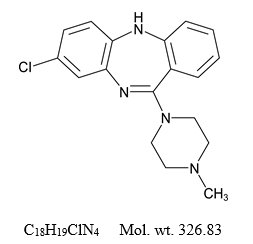
Clozapine is available in peach tablets of 25 mg or green tablets of 50 mg, 100 mg or 200 mg for oral administration.
Active Ingredient: clozapine
Inactive ingredients are colloidal silicon dioxide, crospovidone, lactose monohydrate, magnesium stearate, microcrystalline cellulose, and sodium lauryl sulfate. In addition, the 25 mg tablets contain FD&C Red No. 40 Aluminum Lake, and the 50 mg, 100 mg and 200 mg tablets contain FD&C Blue No. 2 Aluminum Lake.
CLINICAL PHARMACOLOGY
Mechanism of Action
The mechanism of action of clozapine is unknown. However, it has been proposed that the therapeutic efficacy of clozapine in schizophrenia is mediated through antagonism of the dopamine type 2 (D 2 ) and the serotonin type 2A (5-HT 2A ) receptors. Clozapine also acts as an antagonist at adrenergic, cholinergic, histaminergic and other dopaminergic and serotonergic receptors.
Pharmacodynamics
Clozapine demonstrated binding affinity to the following receptors: histamine H 1 (K i 1.1 nM), adrenergic α 1A (K i 1.6 nM), serotonin 5-HT 6 (K i 4 nM), serotonin 5-HT 2A (K i 5.4 nM), muscarinic M 1 (K i 6.2 nM), serotonin 5-HT 7 (K i 6.3 nM), serotonin 5-HT 2C (K i 9.4 nM), dopamine D 4 (K i 24 nM), adrenergic α 2A (K i 90 nM), serotonin 5-HT 3 (K i 95 nM), serotonin 5-HT 1A (K i 120 nM), dopamine D 2 (K i 160 nM), dopamine D 1 (K i 270 nM), dopamine D 5 (K i 454 nM), and dopamine D 3 (K i 555 nM).
Clozapine causes little or no prolactin elevation.
Clinical electroencephalogram (EEG) studies demonstrated that clozapine increases delta and theta activity and slows dominant alpha frequencies. Enhanced synchronization occurs. Sharp wave activity and spike and wave complexes may also develop. Patients have reported an intensification of dream activity during clozapine therapy. REM sleep was found to be increased to 85% of the total sleep time. In these patients, the onset of REM sleep occurred almost immediately after falling asleep.
Pharmacokinetics
Absorption
In humans, clozapine tablets (25 mg and 100 mg) are equally bioavailable relative to a clozapine solution. Following oral administration of clozapine tablets 100 mg twice daily, the average steady-state peak plasma concentration was 319 ng/mL (range: 102 to 771 ng/mL), occurring at the average of 2.5 hours (range: 1 to 6 hours) after dosing. The average minimum concentration at steady-state was 122 ng/mL (range: 41 to 343 ng/mL), after 100 mg twice daily dosing. Food does not appear to affect the systemic bioavailability of clozapine tablets. Thus, clozapine tablets may be administered with or without food.
Distribution
Clozapine is approximately 97% bound to serum proteins. The interaction between clozapine and other highly protein-bound drugs has not been fully evaluated but may be important [see Drug Interactions (7) ] .
Metabolism and Excretion
Clozapine is almost completely metabolized prior to excretion, and only trace amounts of unchanged drug are detected in the urine and feces. Clozapine is a substrate for many cytochrome P450 isozymes, in particular CYP1A2, CYP2D6, and CYP3A4. Approximately 50% of the administered dose is excreted in the urine and 30% in the feces. The demethylated, hydroxylated, and N -oxide derivatives are components in both urine and feces. Pharmacological testing has shown the desmethyl metabolite (norclozapine) to have only limited activity, while the hydroxylated and N -oxide derivatives were inactive. The mean elimination half-life of clozapine after a single 75 mg dose was 8 hours (range: 4 to 12 hours), compared to a mean elimination half-life of 12 hours (range: 4 to 66 hours), after achieving steady-state with 100 mg twice daily dosing.
A comparison of single-dose and multiple-dose administration of clozapine demonstrated that the elimination half-life increased significantly after multiple dosing relative to that after single-dose administration, suggesting the possibility of concentration-dependent pharmacokinetics. However, at steady-state, approximately dose-proportional changes with respect to AUC (area under the curve), peak, and minimum clozapine plasma concentrations were observed after administration of 37.5, 75, and 150 mg twice daily.
Drug-Drug Interaction Studies
Fluvoxamine
A pharmacokinetic study was conducted in 16 patients with schizophrenia who received clozapine under steady-state conditions. After coadministration of fluvoxamine for 14 days, mean trough concentrations of clozapine and its metabolites, N -desmethylclozapine and clozapine N -oxide, were elevated about three-fold compared to baseline steady-state concentrations.
Paroxetine, Fluoxetine, and Sertraline
In a study of patients with schizophrenia (n = 14) who received clozapine under steady-state conditions, coadministration of paroxetine produced only minor changes in the levels of clozapine and its metabolites. However, other published reports describe modest elevations (less than two-fold) of clozapine and metabolite concentrations when clozapine was taken with paroxetine, fluoxetine, and sertraline.
Specific Population Studies
Renal or Hepatic Impairment
No specific pharmacokinetic studies were conducted to investigate the effects of renal or hepatic impairment on the pharmacokinetics of clozapine. Higher clozapine plasma concentrations are likely in patients with significant renal or hepatic impairment when given usual doses.
CYP2D6 Poor Metabolizers
A subset (3%-10%) of the population has reduced activity of CYP2D6 (CYP2D6 poor metabolizers). These individuals may develop higher than expected plasma concentrations of clozapine when given usual doses.
Patients with Pneumonia and other Inflammatory Conditions
Published case reports describe examples where pneumonia or other inflammatory conditions may increase clozapine concentrations. The clinical significance, the impact of treatments to modulate this inflammation, and mechanism of this potential increase in clozapine concentrations have not been fully characterized but may involve reduced cytochrome P450 1A2 activity.
NONCLINICAL TOXICOLOGY
Carcinogenesis, Mutagenesis, Impairment of Fertility
Carcinogenesis
No carcinogenic potential was demonstrated in long-term studies in mice and rats at doses up to 0.3 times and 0.4 times, respectively, the maximum recommended human dose (MRHD) of 900 mg/day on a mg/m 2 body surface area basis.
Mutagenesis
Clozapine was not genotoxic when tested in the following gene mutation and chromosomal aberration tests: the bacterial Ames test, the in vitro mammalian V79 in Chinese hamster cells, the in vitro unscheduled DNA synthesis in rat hepatocytes or the in vivo micronucleus assay in mice.
Impairment of Fertility
Clozapine had no effect on any parameters of fertility, pregnancy, fetal weight or postnatal development when administered orally to male rats 70 days before mating and to female rats for 14 days before mating at doses up to 0.4 times the MRHD of 900 mg/day on a mg/m 2 body surface area basis.
CLINICAL STUDIES
Treatment-Resistant Schizophrenia
The efficacy of clozapine tablets in treatment-resistant schizophrenia was established in a multicenter, randomized, double-blind, active-controlled (chlorpromazine) study in patients with a DSM-III diagnosis of schizophrenia who had inadequate responses to at least 3 different antipsychotics (from at least 2 different chemical classes) during the preceding 5 years. The antipsychotic trials must have been judged adequate; the antipsychotic dosages must have been equivalent to or greater than 1000 mg per day of chlorpromazine for a period of at least 6 weeks, each without significant reduction of symptoms. There must have been no period of good functioning within the preceding 5 years. Patients must have had a baseline score of at least 45 on the investigator-rated Brief Psychiatric Rating Scale (BPRS). On the 18-item BPRS, 1 indicates the absence of symptoms, and 7 indicates severe symptoms; the maximum potential total BPRS score is 126. At baseline, the mean BPRS score was 61. In addition, patients must have had a score of at least 4 on at least two of the following four individual BPRS items: conceptual disorganization, suspiciousness, hallucinatory behavior, and unusual thought content. Patients must have had a Clinical Global Impressions–Severity Scale score of at least 4 (moderately ill).
In the prospective, lead-in phase of the trial, all patients (N = 305) initially received single-blind treatment with haloperidol (the mean dose was 61 mg per day) for 6 weeks. More than 80% of patients completed the 6-week trial. Patients with an inadequate response to haloperidol (N = 268) were randomized to double-blind treatment with clozapine tablets (N = 126) or chlorpromazine (N = 142). The maximum daily clozapine tablets dose was 900 mg; the mean daily dose was > 600 mg. The maximum daily chlorpromazine dose was 1800 mg; the mean daily dose was > 1200 mg.
The primary endpoint was treatment response, predefined as a decrease in BPRS score of at least 20% and either (1) a CGI-S score of ≤ 3 (mildly ill), or (2) a BPRS score of ≤ 35, at the end of 6 weeks of treatment. Approximately 88% of patients from the clozapine tablets and chlorpromazine groups completed the 6-week trial. At the end of 6 weeks, 30% of the clozapine tablets group responded to treatment, and 4% of the chlorpromazine group responded to treatment. The difference was statistically significant (p < 0.001). The mean change in total BPRS score was -16 and -5 in the clozapine tablets and chlorpromazine group, respectively; the mean change in the 4 key BPRS item scores was -5 and -2 in the clozapine tablets and chlorpromazine group, respectively; and the mean change in CGI-S score was -1.2 and -0.4, in the clozapine tablets and chlorpromazine group, respectively. These changes in the clozapine tablets group were statistically significantly greater than in the chlorpromazine group (p < 0.001 in each analysis).
Recurrent Suicidal Behavior in Schizophrenia or Schizoaffective Disorder
The effectiveness of clozapine tablets in reducing the risk of recurrent suicidal behavior was assessed in the International Suicide Prevention Trial (InterSePT™, a trademark of Novartis Pharmaceuticals Corporation). This was a prospective, randomized, open-label, active-controlled, multicenter, international, parallel-group comparison of clozapine tablets versus olanzapine (Zyprexa ® , a registered trademark of Eli Lilly and Company) in 956 patients with schizophrenia or schizoaffective disorder (DSM-IV) who were judged to be at risk for recurrent suicidal behavior. Only about one-fourth of these patients (27%) were considered resistant to standard antipsychotic drug treatment. To enter the trial, patients must have met 1 of the following criteria:
- They had attempted suicide within the three years prior to their baseline evaluation.
- They had been hospitalized to prevent a suicide attempt within the three years prior to their baseline evaluation.
- They demonstrated moderate-to-severe suicidal ideation with a depressive component within one week prior to their baseline evaluation.
- They demonstrated moderate-to-severe suicidal ideation accompanied by command hallucinations to do self-harm within one week prior to their baseline evaluation.
Dosing regimens for each treatment group were determined by individual investigators and were individualized by patient. Dosing was flexible, with a dose range of 200-900 mg/day for clozapine tablets and 5-20 mg/day for olanzapine. For the 956 patients who received clozapine tablets or olanzapine in this study, there was extensive use of concomitant psychotropics: 84% with antipsychotics, 65% with anxiolytics, 53% with antidepressants, and 28% with mood stabilizers. There was significantly greater use of concomitant psychotropic medications among the patients in the olanzapine group.
The primary efficacy measure was time to (1) a significant suicide attempt, including a completed suicide; (2) hospitalization due to imminent suicide risk, including increased level of surveillance for suicidality for patients already hospitalized; or (3) worsening of suicidality severity as demonstrated by “much worsening” or “very much worsening” from baseline in the Clinical Global Impression of Severity of Suicidality as assessed by the Blinded Psychiatrist (CGI-SS-BP) scale. A determination of whether or not a reported event met criterion 1 or 2 above was made by the Suicide Monitoring Board (SMB), a group of experts blinded to patient data.
A total of 980 patients were randomized to the study and 956 received study medication. Sixty-two percent of the patients were diagnosed with schizophrenia, and the remainder (38%) were diagnosed with schizoaffective disorder. Only about one-fourth of the total patient population (27%) was identified as “treatment-resistant” at baseline. There were more males than females in the study (61% of all patients were male). The mean age of patients entering the study was 37 years of age (range 18-69). Most patients were Caucasian (71%), 15% were Black, 1% were Asian, and 13% were classified as being of “other” races.
Patients treated with clozapine tablets had a statistically significant longer delay in the time to recurrent suicidal behavior in comparison with olanzapine. This result should be interpreted only as evidence of the effectiveness of clozapine tablets in delaying time to recurrent suicidal behavior and not a demonstration of the superior efficacy of clozapine tablets over olanzapine.
The probability of experiencing (1) a significant suicide attempt, including a completed suicide, or (2) hospitalization because of imminent suicide risk, including increased level of surveillance for suicidality for patients already hospitalized, was lower for clozapine tablets patients than for olanzapine patients at Week 104: clozapine tablets 24% versus olanzapine 32%; 95% CI of the difference: 2%, 14% (Figure 1).
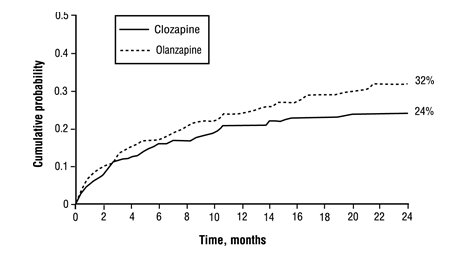
HOW SUPPLIED/STORAGE AND HANDLING
How Supplied
Clozapine Tablets, USP are available containing 25 mg, 50 mg, 100 mg or 200 mg of clozapine, USP.
The 25 mg tablets are peach, round, functionally scored tablets debossed with C to the left of the score and 7 to the right of the score on one side of the tablet and M on the other side. They are available as follows:
NDC 0378-0825-01 bottles of 100 tablets
The 50 mg tablets are green, round, functionally scored tablets debossed with C72 above the score and blank below the score on one side of the tablet and M on the other side. They are available as follows:
NDC 0378-0972-01 bottles of 100 tablets
The 100 mg tablets are green, round, functionally scored tablets debossed with C11 above the score and blank below the score on one side of the tablet and M on the other side. They are available as follows:
NDC 0378-0860-01 bottles of 100 tablets
NDC 0378-0860-05 bottles of 500 tablets
The 200 mg tablets are green, round, functionally scored tablets debossed with C73 above the score and blank below the score on one side of the tablet and M on the other side. They are available as follows:
NDC 0378-0973-01 bottles of 100 tablets
Storage and Handling
Store clozapine tablets at room temperature between 20°C to 25°C (68°F to 77°F); excursion permitted between 15°C to 30°C (59°F to 86°F) [See USP Controlled Room Temperature].
Dispense in a tight, light-resistant container as defined in the USP using a child-resistant closure.
PHARMACIST: Dispense a Medication Guide with each prescription.
Mechanism of Action
The mechanism of action of clozapine is unknown. However, it has been proposed that the therapeutic efficacy of clozapine in schizophrenia is mediated through antagonism of the dopamine type 2 (D 2 ) and the serotonin type 2A (5-HT 2A ) receptors. Clozapine also acts as an antagonist at adrenergic, cholinergic, histaminergic and other dopaminergic and serotonergic receptors.
