Get your patient on Leuprolide Acetate - Leuprolide Acetate (Leuprolide Acetate)
Leuprolide Acetate - Leuprolide Acetate prescribing information

INDICATIONS AND USAGE
Leuprolide acetate injection is indicated in the palliative treatment of advanced prostatic cancer.
DOSAGE AND ADMINISTRATION
The recommended dose is 1 mg (0.2 mL or 20 unit mark) administered as a single daily subcutaneous injection. As with other drugs administered chronically by subcutaneous injection, the injection site should be varied periodically. Each 0.2 mL contains 1 mg of leuprolide acetate, sodium chloride for tonicity adjustment, 1.8 mg of benzyl alcohol as preservative and water for injection. The pH may have been adjusted with sodium hydroxide and/or acetic acid.
Follow the pictorial directions on this package insert for administration.
NOTE: As with all parenteral products, inspect the solution for discoloration and particulate matter before each use.
CONTRAINDICATIONS
Leuprolide acetate injection is contraindicated in patients known to be hypersensitive to GnRH, GnRH agonist analogs or any of the excipients in leuprolide acetate injection: Reports of anaphylactic reactions to GnRH agonist analogs have been reported in the medical literature.
ADVERSE REACTIONS
Clinical TrialsIn the majority of patients testosterone levels increased above baseline during the first week, declining thereafter to baseline levels or below by the end of the second week of treatment. This transient increase was occasionally associated with a temporary worsening of signs and symptoms, usually manifested by an increase in bone pain (seeWARNINGSsection). In a few cases a temporary worsening of existing hematuria and urinary tract obstruction occurred during the first week. Temporary weakness and paresthesia of the lower limbs have been reported in a few cases.Potential exacerbations of signs and symptoms during the first few weeks of treatment is a concern in patients with vertebral metastases and/or urinary obstruction which, if aggravated, may lead to neurological problems or increase the obstruction.In a comparative trial of leuprolide acetate injection versus DES, in 5% or more of the patients receiving either drug, the following adverse reactions were reported to have a possible or probable relationship to drug as ascribed by the treating physician. Often, causality is difficult to assess in patients with metastatic prostate cancer. Reactions considered not drug related are excluded.
| Leuprolide Acetate (N=98) | DES (N=101) | |
|---|---|---|
| Number of Reports | ||
| Cardiovascular System | ||
| Congestive heart failure | 1 | 5 |
| ECG changes/ischemia | 19 | 22 |
| High blood pressure | 8 | 5 |
| Murmur | 3 | 8 |
| Peripheral edema | 12 | 30 |
| Phlebitis/thrombosis | 2 | 10 |
| Gastrointestinal System | ||
| Anorexia | 6 | 5 |
| Constipation | 7 | 9 |
| Nausea/vomiting | 5 | 17 |
| Endocrine System | ||
| Decreased testicular sizePhysiologic effect of decreased testosterone. | 7 | 11 |
| Gynecomastia/breast tenderness or pain | 7 | 63 |
| Hot flashes | 55 | 12 |
| Impotence | 4 | 12 |
| Hemic and Lymphatic System | ||
| Anemia | 5 | 5 |
| Musculoskeletal System | ||
| Bone pain | 5 | 2 |
| Myalgia | 3 | 9 |
| Central/Peripheral Nervous System | ||
| Dizziness/lightheadedness | 5 | 7 |
| General pain | 13 | 13 |
| Headache | 7 | 4 |
| Insomnia/sleep disorders | 7 | 5 |
| Respiratory System | ||
| Dyspnea | 2 | 8 |
| Sinus congestion | 5 | 6 |
| Integumentary System | ||
| Dermatitis | 5 | 8 |
| Urogenital System | ||
| Frequency/urgency | 6 | 8 |
| Hematuria | 6 | 4 |
| Urinary tract infection | 3 | 7 |
| Miscellaneous | ||
| Asthenia | 10 | 10 |
•Physiologic effect of decreased testosterone
In this same study, the following adverse reactions were reported in less than 5% of the patients on leuprolide acetate. Cardiovascular System–Angina, Cardiac arrhythmias, Myocardial infarction, Pulmonary emboli; Gastrointestinal System–Diarrhea, Dysphagia, Gastrointestinal bleeding, Gastrointestinal disturbance, Peptic ulcer, Rectal polyps; Endocrine System–Libido decrease, Thyroid enlargement; Musculoskeletal System–Joint pain; Central/Peripheral Nervous System–Anxiety, Blurred vision, Lethargy, Memory disorder, Mood swings, Nervousness, Numbness, Paresthesia, Peripheral neuropathy, Syncope/blackouts, Taste disorders; Respiratory System–Cough, Pleural rub, Pneumonia, Pulmonary fibrosis; Integumentary System–Carcinoma of skin/ear, Dry skin, Ecchymosis, Hair loss, Itching, Local skin reactions, Pigmentation, Skin lesions; Urogenital System–Bladder spasms, Dysuria, Incontinence, Testicular pain, Urinary obstruction; Miscellaneous–Depression, Diabetes, Fatigue, Fever/chills, Hypoglycemia, Increased BUN, Increased calcium, Increased creatinine, Infection/inflammation, Ophthalmologic disorders, Swelling (temporal bone). In an additional clinical trial and from long-term observation of both studies, the following additional adverse events (excluding those considered not drug related) were reported for patients receiving leuprolide acetate. Cardiovascular System–Bradycardia, Carotid bruit, Extrasystole, Palpitations, Perivascular cuffing (eyes), Ruptured aortic aneurysm, Stroke, Tachycardia, Transient ischemic attack; Gastrointestinal System–Flatus, Dryness of mouth and throat, Hepatitis, Hepatomegaly, Occult blood (rectal exam), Rectal fistula/erythema; Endocrine System–Libido increase, Thyroid nodule; Musculoskeletal System–Ankylosing spondylosis, Arthritis, Blurred disc margins, Bone fracture, Muscle stiffness, Muscle tenderness, Pelvic fibrosis, Spasms/cramps; Central/Peripheral Nervous System–Auditory hallucinations/tinnitus, Decreased hearing, Decreased reflexes, Euphoria, Hyperreflexia, Loss of smell, Motor deficiency; Respiratory System–Chest tightness, Decreased breathing sounds, Hemoptysis, Pleuritic chest pain, Pulmonary infiltrate, Rales/rhonchi, Rhinitis, Strep throat, Wheezing/bronchitis; Integumentary System–Boil (pubic), Bruises, Hives, Keratosis, Mole, Shingles, Spiders; Urogenital System–Blisters on penis, Inguinal hernia, Penile swelling, Post void residual, Prostatic pain, Pyuria; Miscellaneous–Abdominal distention, Facial swelling/edema, Feet burning, Flu, Eyelid growth, Hypoproteinemia, Accidental injury, Knee effusion, Mass, Pallid, Sallow, Weakness.
Postmarketing
During postmarketing surveillance which includes other dosage forms and other patient populations, the following adverse events were reported.
Symptoms consistent with an anaphylactoid or asthmatic process have been rarely (incidence rate of about 0.002%) reported. Rash, urticaria, and photosensitivity reactions have also been reported.
Localized reactions including induration and abscess have been reported at the site of injection.
Symptoms consistent with fibromyalgia (e.g., joint and muscle pain, headaches, sleep disorders, gastrointestinal distress, and shortness of breath) have been reported individually and collectively.
Cardiovascular System – Hypotension, Myocardial infarction, Pulmonary embolism;
Endocrine System – Diabetes;
Gastrointestinal System – Hepatic dysfunction; Hepato-biliary disorder– Serious drug-induced liver injury;
Hemic and Lymphatic System – Decreased WBC;
Skin and Subcutaneous Tissue Disorders - Rash, Urticaria, Photosensitivity, Hair growth, SJS/TEN, DRESS, AGEP, Dermatitis exfoliative, Bullous dermatitis, Erythema multiforme;
Central/Peripheral Nervous System – Convulsion, Peripheral neuropathy, Spinal fracture/paralysis, Hearing disorder;
Miscellaneous – Hard nodule in throat, Weight gain, Increased uric acid;
Musculoskeletal System – Tenosynovitis-like symptoms;
Respiratory System – Respiratory disorders, Interstitial lung disease;
Urogenital System – Prostate pain.
Changes in Bone Density : Decreased bone density has been reported in the medical literature in men who have had orchiectomy or who have been treated with an LH-RH agonist analog. In a clinical trial, 25 men with prostate cancer, 12 of whom had been treated previously with leuprolide acetate for at least six months, underwent bone density studies as a result of pain. The leuprolide-treated group had lower bone density scores than the nontreated control group. It can be anticipated that long periods of medical castration in men will have effects on bone density.
Pituitary Apoplexy : During post-marketing surveillance, rare cases of pituitary apoplexy (a clinical syndrome secondary to infarction of the pituitary gland) have been reported after the administration of gonadotropin-releasing hormone agonists. In a majority of these cases, a pituitary adenoma was diagnosed, with a majority of pituitary apoplexy cases occurring within 2 weeks of the first dose, and some within the first hour. In these cases, pituitary apoplexy has presented as sudden headache, vomiting, visual changes, ophthalmoplegia, altered mental status, and sometimes cardiovascular collapse. Immediate medical attention has been required.
See other leuprolide acetate for depot suspension and leuprolide acetate injection package inserts for other events reported in the same and different patient populations.
Drug Interactions
See CLINICAL PHARMACOLOGY, Pharmacokinetics section.
DESCRIPTION
Leuprolide acetate is a synthetic nonapeptide analog of naturally occurring gonadotropin releasing hormone (GnRH or LH-RH). The analog possesses greater potency than the natural hormone. The chemical name is 5-oxo-L-prolyl-L-histidyl-L-tryptophyl-L-seryl-L-tyrosyl-D-leucyl-L-leucyl-L- arginyl-N-ethyl-L-prolinamide acetate (salt) with the following structural formula:
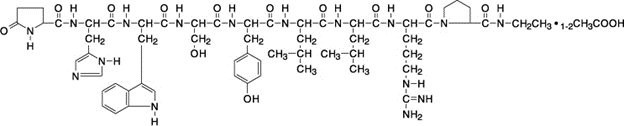
Leuprolide acetate injection is a sterile, aqueous solution intended for subcutaneous injection. It is available in a 2.8 mL multiple-dose vial containing leuprolide acetate (5 mg/mL), sodium chloride, USP (6.3 mg/mL) for tonicity adjustment, benzyl alcohol, NF as a preservative (9 mg/mL), and water for injection, USP. The pH may have been adjusted with sodium hydroxide, NF and/or acetic acid, NF. The pH range is 4.0 to 6.0.
CLINICAL PHARMACOLOGY
Leuprolide acetate, a GnRH agonist, acts as an inhibitor of gonadotropin secretion. Animal studies indicate that following an initial stimulation, continuous administration of leuprolide acetate results in suppression of ovarian and testicular steroidogenesis. This effect was reversible upon discontinuation of drug therapy. Administration of leuprolide acetate has resulted in inhibition of the growth of certain hormone dependent tumors (prostatic tumors in Noble and Dunning male rats and DMBA-induced mammary tumors in female rats) as well as atrophy of the reproductive organs.
In humans, subcutaneous administration of single daily doses of leuprolide acetate results in an initial increase in circulating levels of luteinizing hormone (LH) and follicle stimulating hormone (FSH), leading to a transient increase in levels of the gonadal steroids (testosterone and dihydrotestosterone in males, and estrone and estradiol in pre-menopausal females). However, continuous daily administration of leuprolide acetate results in decreased levels of LH and FSH. In males, testosterone is reduced to castrate levels. In pre-menopausal females, estrogens are reduced to post-menopausal levels. These decreases occur within two to four weeks after initiation of treatment, and castrate levels of testosterone in prostatic cancer patients have been demonstrated for periods of up to five years.
Leuprolide acetate is not active when given orally.
Pharmacokinetics
Absorption
Bioavailability by subcutaneous administration is comparable to that by intravenous administration.
Distribution
The mean steady-state volume of distribution of leuprolide following intravenous bolus administration to healthy male volunteers was 27 L. In vitro binding to human plasma proteins ranged from 43% to 49%.
Metabolism
In healthy male volunteers, a 1 mg bolus of leuprolide administered intravenously revealed that the mean systemic clearance was 7.6 L/h, with a terminal elimination half-life of approximately 3 hours based on a two compartment model. In rats and dogs, administration of 14C-labeled leuprolide was shown to be metabolized to smaller inactive peptides, a pentapeptide (Metabolite I), tripeptides (Metabolites II and III) and a dipeptide (Metabolite IV). These fragments may be further catabolized.
The major metabolite (M-I) plasma concentrations measured in 5 prostate cancer patients reached maximum concentration 2 to 6 hours after dosing and were approximately 6% of the peak parent drug concentration. One week after dosing, mean plasma M-I concentrations were approximately 20% of mean leuprolide concentrations.
Excretion
Following administration of leuprolide acetate for depot suspension 3.75 mg to 3 patients, less than 5% of the dose was recovered as parent and M-I metabolite in the urine.
Special Populations
The pharmacokinetics of the drug in hepatically and renally impaired patients has not been determined.
Drug Interactions
No pharmacokinetic-based drug-drug interaction studies have been conducted with leuprolide acetate. However, because leuprolide acetate is a peptide that is primarily degraded by peptidase and not by cytochrome P-450 enzymes as noted in specific studies, and the drug is only about 46% bound to plasma proteins, drug interactions would not be expected to occur.
CLINICAL STUDIES
In a controlled study comparing leuprolide acetate 1 mg/day given subcutaneously to DES (diethylstilbestrol), 3 mg/day, the survival rate for the two groups was comparable after two years of treatment. The objective response to treatment was also similar for the two groups.
HOW SUPPLIED
Leuprolide acetate injection is a sterile solution supplied in a 2.8 mL multiple-dose vial. The vial is packaged as a 14 Day Patient Administration Kit with 14 disposable syringes and 28 alcohol swabs, NDC 72664- 611- 28
Store below 77°F (25°C). Do not freeze. Protect from light; store vial in carton until use.
INSTRUCTIONS FOR USE
Leuprolide Acetate Injection (LOO proe lide inˈjekSH(ә)n)
Read the Instructions for Use before you start using leuprolide acetate injection and each time you get a refill. There may be new information. This information does not take the place of talking to your doctor about your medical condition or your treatment. Your doctor should show you how to draw up leuprolide acetate injection and give the injection the right way before you inject the first time.
Do not share your syringes with other people, even if the needle has been changed. You may give other people a serious infection or get a serious infection from them.
Supplies you will need for the leuprolide acetate injection:
- 1 vial of leuprolide acetate injection
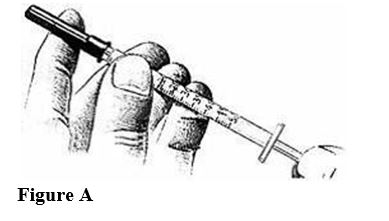
- a sterile 1/2 ml syringe with a 28 gauge, ½ inch sterile needle attached (See Figure A)
- 2 alcohol swabs
- 1 puncture resistant sharps container (See “Disposal of used syringes, needles, and vials”)
Preparing the leuprolide acetate injection
Step 1.
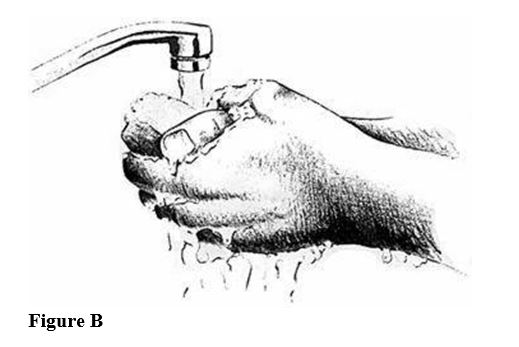
Wash hands thoroughly (See Figure B) and dry them with a clean towel.
Step 2.
- Check the liquid in the container. It should look clear. Do not use if it is not clear or if it has particles in it.
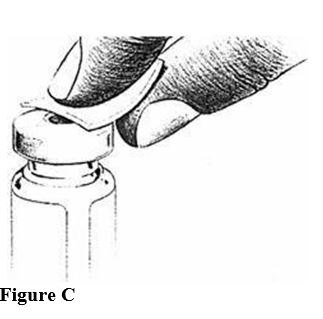
- If using a new vial, flip off the plastic cover to expose the grey rubber stopper.
- Use an alcohol swab to clean the metal ring and the grey rubber stopper on the medicine vial every day, just before you use it (See Figure C).
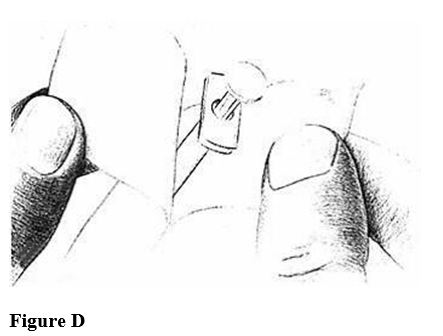
Step 3.
Remove outer wrapping from 1 syringe (See Figure D).
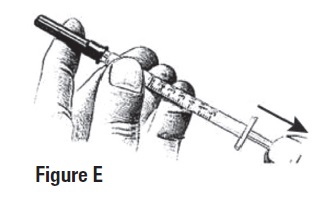
Step 4.
Pull the syringe plunger back until the tip is at the proper mark for the prescribed dose (See Figure E).
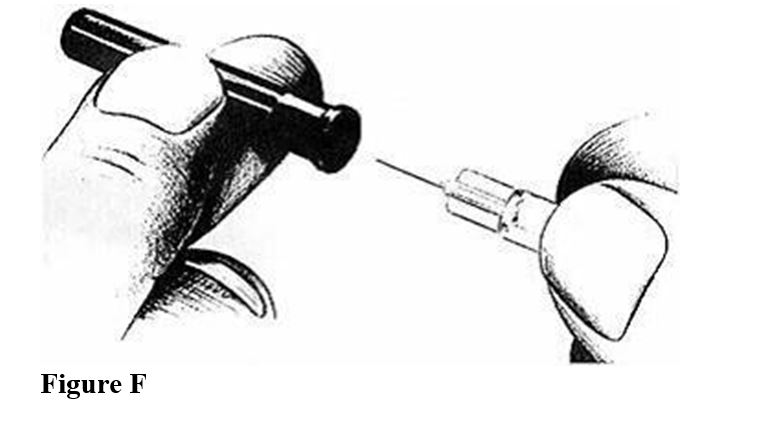
Step 5. Uncover needle by pulling the cap straight off (See Figure F). Do not touch the needle.
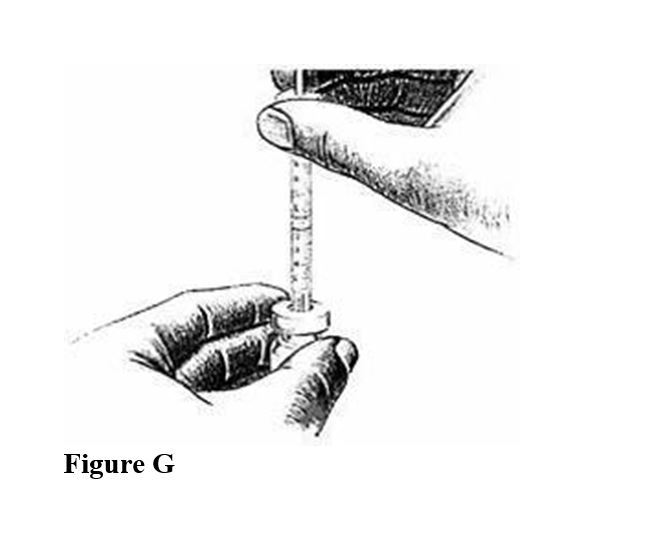
Step 6.
- Place the vial on a clean flat surface.
- Push the needle through the center of the rubber stopper on the vial (See Figure G).
- Push the plunger all the way in to inject air into the vial.
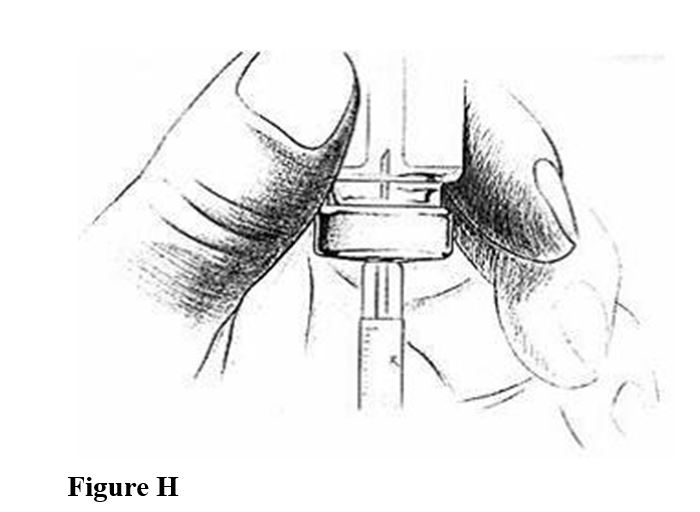
Step 7.
- Keep the needle in the vial.
- Lift the vial and turn it straight upside down.
- Check to see that the needle tip is in the liquid (See Figure H).
Step 8.
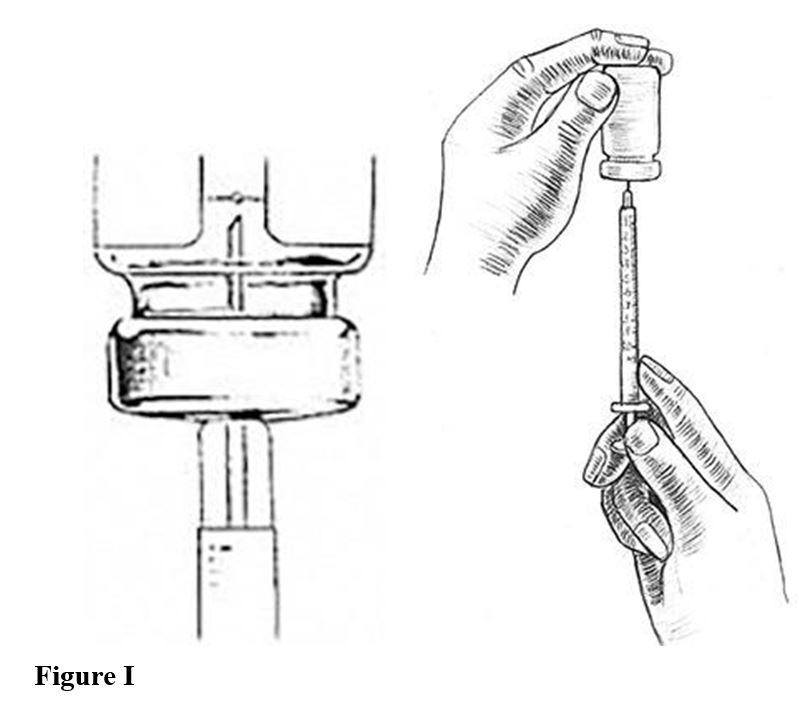
- With the needle tip still in the liquid, slowly pull back the plunger until syringe fills to the proper mark (See Figure I).
- If any bubbles appear in the syringe, remove them by pushing the plunger up slowly.
Giving leuprolide acetate injection Step 9.
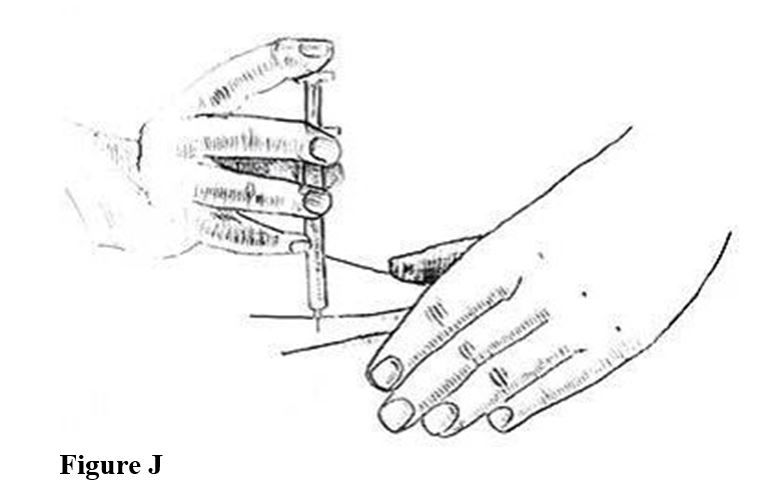
- Choose a different injection site each day.
- Clean the injection site with a new alcohol swab.
- Hold the skin fold between your thumb and your index finger or as you were instructed by your doctor.
- Insert the needle straight into the skin quickly, as shown by your doctor in a 90° angle (See Figure J).
- Push the plunger to inject the medicine.
Step 10.
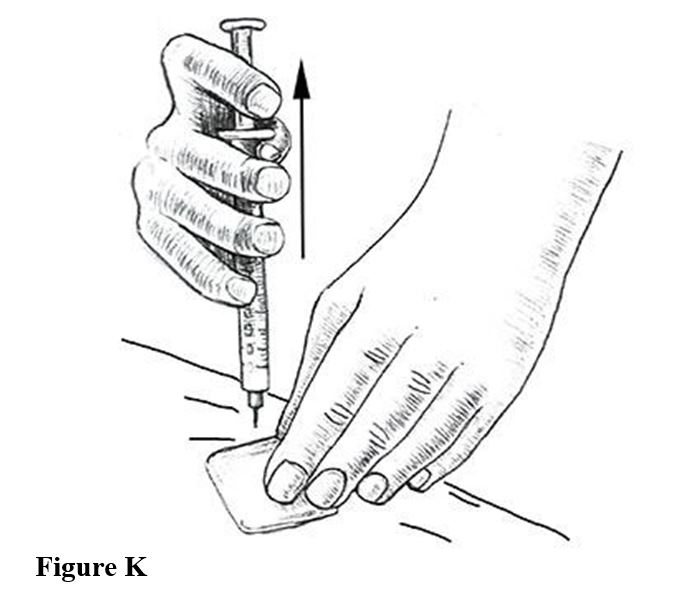
- Remove the needle at the same angle it was inserted (90°) (See Figure K).
- Wipe the skin with a cotton gauze.
Disposal of used needles, syringes, and vials
Step 11.
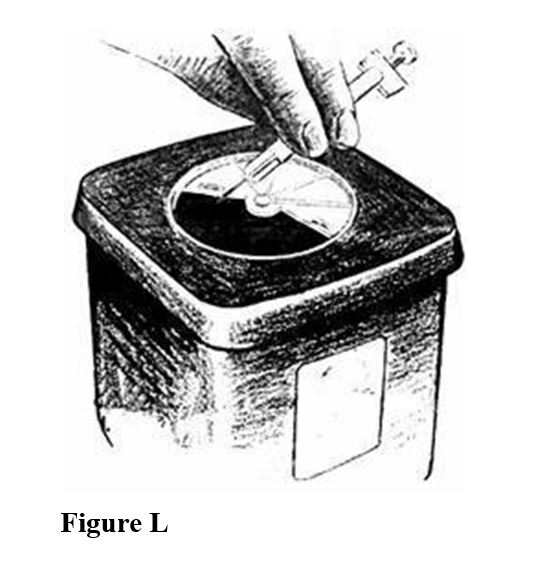
- Put the used needles, syringes, and vials in a FDA-cleared sharps disposal container right away after use (See Figure L). Do not throw away (dispose of) loose needles, syringes, or vials in your household trash.
- If you do not have a FDA-cleared sharps disposal container, you may use a household container that is:
- made of a heavy-duty plastic,
- can be closed with a tight-fitting, puncture-resistant lid, without sharps being able to come out, upright and stable during use,
- leak-resistant, and
- properly labeled to warn of hazardous waste inside the container.
- When your sharps disposal container is almost full, you will need to follow your community guidelines for the right way to dispose of your sharps disposal container. There may be state or local laws about how you should throw away used needles, syringes, and vials. For more information about safe sharps disposal, and for specific information about sharps disposal in the state that you live in, go to the FDA’s website at: http://www.fda.gov/safesharpsdisposal.
- Do not dispose of your used sharps disposal container in your household trash unless your community guidelines permit this. Do not recycle your used sharps disposal container.
Distributed by: VGYAAN Pharmaceuticals LLC Skillman, NJ 08558
Rev.: 06/2025
This Instructions for Use has been approved by the U.S. Food and Drug Administration.
